Leech farming technology video tutorial, master scientific breeding methods
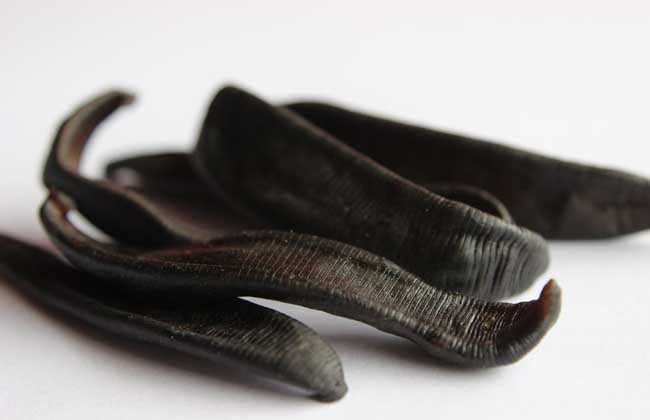
Leech farming is the use of wild leeches and other organisms that have already been domesticated by humans; at present, the physiological functions of wild leech species such as the golden broad-body leech and Poecilobdella manillensis are used, and through artificial rearing and breeding, they convert feed and other organisms into biological energy, so as to obtain the leech body and medicinal materials and other biological products. It is an extremely important link in the material exchange between humans and nature. Leech farming is a new thing in modern agriculture and also an important way to develop traditional Chinese medicine.
Swamp and mud pond farming
In swamps and mud ponds, aquatic plants are lush, and the content of organic matter and humus is relatively high, with abundant plankton and aquatic plants. Therefore, it is only necessary to build good fencing to prevent escape and protect against natural enemies. This model has relatively low investment costs, but management and harvesting are more troublesome.
Rice field co-culture
In rice fields, dig ditches and drainage furrows as the main activity sites for leeches, generally dug in shapes such as "well" and "cross", divided into two types: furrow type and mud pond type. The furrows should be evenly distributed and extend in all directions, which is beneficial to the growth and foraging of leeches. They are generally 0.4 m wide, with a water depth of 0.3-0.5 m, and the furrow area accounts for about 10% of the total area; the mud pond type is to dig a mud pond inside the rice field, with the mud pond connected to the rice field ditches. The ditch width and ditch depth are both about 0.4 m, and the depth is 0.5-0.6 m, accounting for about 15% of the rice field area. Note the harm to leeches from applying pesticides in rice fields. Generally, choose high-efficiency and low-toxicity pesticides, and do not use chemical fertilizers either. It is best to use animal manure, which is ideal. It is not only beneficial to a bumper rice harvest, but is also good feed for leeches.
Cement pond farming
Build a cement pond of about 20 sq m, 3 m wide, 7 m long, 1 m-1.2 m high, with a water depth of 0.5 m, and install water inlet and drainage facilities. In outdoor cement ponds, aquatic plants and other plants need to be placed so that leeches can inhabit them. A newly built cement pond cannot have breeder leeches put in immediately. The alkaline substances in the pond body (Portland cement, calcium hydroxide, etc.) need 20 days of desalination before seedlings can be introduced, and seedlings cannot be introduced all at once. Only after the overall environmental conditions of the breeding pond tend toward an overall balance of the food chain can the amount of stocked breeders be gradually increased, generally 100 leeches per sq m.
Standardized intensive precision farming
It is recommended that the pond be 90 m long, 7-8 m wide, 1.2 m-1.5 m deep, with a water depth of 0.5 m-0.6 m, and that water inlet and drainage facilities be installed. Build soil habitat 0.3 m above the water surface, plant aquatic plants on top to provide shade and sun protection, and use 40-mesh polyethylene netting to prevent escape. Generally, 2000 breeder leeches are stocked per mu of water area.