What Should You Do If Stung by a Sea Urchin? Detailed Guide to the Correct Treatment
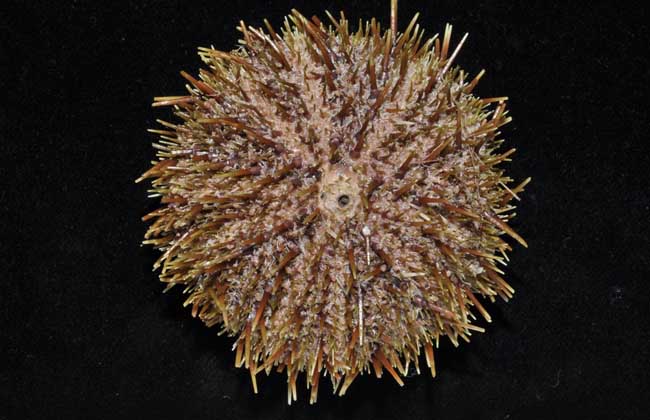
The sea urchin's exterior has a delicate hard shell, and the shell is covered with many spines. The function of the spines is to keep the shell clean, to aid movement, and to dig through sand and mud. They are columnar protrusions formed by calcified connective tissue and are connected to venom glands within the body. When a spine pierces the skin and injects venom, it can cause dermatitis. The venom in some sea urchins is a neurotoxin, and after piercing the skin it can cause systemic symptoms of varying severity. Let's take a look below at what to do if you are stung by a sea urchin!
Will you be poisoned if stung by a sea urchin?
There are many species of sea urchins, and some species can secrete different sea urchin toxins. Sea urchins have two venom-producing organs, the pedicellariae and the spines. During the reproductive season, eating the gonads and ovaries of sea urchins, or being stung by the spines or pedicellariae, can cause poisoning. After a person is stung by sea urchin pedicellariae, severe pain and coma can occur, and there are records of death. Sea urchin toxins are water-soluble, but their effects vary: some can cause breathing difficulty, muscle paralysis, convulsions, and even death in animals; some have a dissolving effect on animal red blood cells; and some cause cardiac activation and make muscles unresponsive to direct external stimulation.
What reactions occur after being stung by a sea urchin?
1. Immediately after being stung by a sea urchin, you will feel burning and severe pain. The pain can last for several hours, and there is bleeding from the skin. Before long, edematous erythema appears around the wound, occasionally with blisters. The rash gradually subsides within 1 to 2 weeks. This localized skin symptom is an immediate-type allergic reaction.
2. Within 1 year after being stung by a sea urchin, round, hard nodules appear locally. The surface of the nodules is verrucous, hard in texture, pale red or bluish, later turning yellow-brown, with a keratinized surface. Some nodules have a crater-like surface. They are generally not painful or only mildly tender, and mostly occur on the hands. This granulomatous nodule may be caused by the fragile, easily broken tips of the spines remaining in the skin after the sea urchin sting, forming a foreign body granuloma months later.
3. Infiltrative plaques can appear at the same time as granulomas, or they can occur alone. Within months after a sea urchin sting, a diffuse dark red infiltrative mass appears locally, mostly on the fingers. Later, the fingers may develop fusiform deformity, along with localized bone destruction and symptoms of adjacent finger joint synovitis, limiting finger movement. This symptom is persistent and difficult to cure, and in a few cases it may be absorbed naturally.
4. After being stung by a sea urchin, because the venom or neurotoxin from the sea urchin's body is injected into the human body, in addition to causing local skin damage, varying degrees of systemic poisoning symptoms may sometimes occur, such as dizziness, headache, palpitations, decreased blood pressure, breathing difficulty, facial paralysis, and even general paralysis and death.
Emergency treatment for sea urchin stings
1. After being stung by a sea urchin, carefully check the wound for any remaining sea urchin spine tips, and if necessary, remove them surgically. Then apply anti-inflammatory, anti-itch, and pain-relieving lotion externally to prevent secondary infection.
2. If poisoning symptoms appear after being stung by a sea urchin, send the person to the hospital for treatment immediately.
3. When fishermen or scientific research and expedition personnel go into the sea to work, they should strengthen personal protection, wear gloves, and never touch sea urchins with their hands, so as to avoid being stung by them.
4. Tourists playing in the reef areas of the sea or in relatively hard sandy and muddy shallow sea areas should also take personal protective measures and avoid contact with or touching sea urchins.