What does the platypus eat? Let us introduce you to its diet
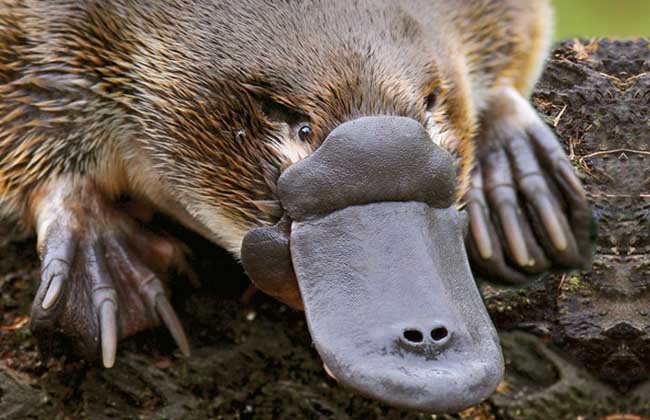
The platypus is undoubtedly one of the strangest-looking animals on Earth, with a plump body, a flat tail and bill. It has two standout features: the first is its duck-like bill, and the second is a pair of hollow bones about 15 mm long at the rear of its legs, which contain a mildly toxic venom. Now let us take a look at what the platypus eats!
What does the platypus eat?
The platypus likes to eat small aquatic animals, such as insect larvae, small shrimp and worms, and usually hunts crustaceans, earthworms and other animals by the water at dawn and dusk. But the platypus does not have the sharp teeth of a mammal; each time it catches food in the water, it first stores it in its cheek pouches, then floats to the surface and only feasts after clamping and crushing it with the upper and lower jawbones in its bill. It has a very large appetite, consuming an amount of food equal to its own body weight every day.
The platypus's habitat
The platypus inhabits rivers and lakes and usually prefers to live in burrows by the water. It often builds its den on the banks of swamps or rivers, with the entrance opening underwater, including mountain streams, stagnant water or muddy rivers, lakes and ponds. It digs burrows on the bank as shelter, and the burrows connect with the adjacent water. Except during the nursing period, the platypus lives a solitary life throughout its life, spending most of its time in the water.
The platypus's growth and reproduction
The platypus is a mammal. Although the mother also secretes milk to feed her young, it is not viviparous but oviparous. That is, the mother lays eggs and incubates them with her body heat, like a bird. The mother has no breasts or nipples; she secretes milk from the sides of her abdomen, and the young lie on the mother's abdomen and lick it up. The young have teeth, but adults have toothless gums, which are replaced by keratinous plates that can grow continuously. The front occlusal surface of the plates forms many raised transverse ridges, used to crush the shells of mollusks such as shellfish and snails, or to chop up other food.
The platypus's conservation status
The platypus is of great academic importance. Having survived hundreds of millions of years, it has neither gone extinct nor evolved much, always lingering in a “transitional stage” and full of mystery. This animal, found only in Australia, saw its population decline severely due to years of overhunting in pursuit of specimens and precious fur, and it once faced the danger of extinction. Because of its uniqueness and rarity, it has been listed as an internationally protected animal, and the Australian government has enacted protection regulations.