A Detailed Guide to the Breeding Techniques and Methods of the Water Cockroach
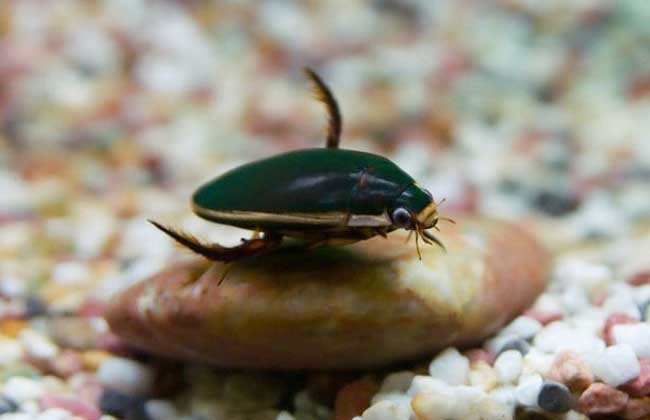
The water cockroach, also known as the water turtle beetle, dragon beetle, etc., is a collective term for various genera and species, large and small, of the family Dytiscidae. The most common are the Japanese sucking disc dragon beetle (Cybister japonicus), the black dragon beetle, and the Oriental three-star dragon beetle (Cybister tripunctatus orientalis). Its body has a very high protein content but very little fat, so its nutritional value is very high. As a typical high-protein, low-fat, low-cholesterol food, it is very popular. Let us take a look together at the breeding techniques for the water cockroach!
Living Habits
The water cockroach spends its entire life in freshwater environments. Its life is divided into four stages, namely egg, larva, pupa, and adult. The adult then lays eggs, and the cycle repeats. Both larvae and adults are aquatic, preying on small aquatic animals such as small fish, shrimp, and tadpoles, and laying eggs on the stems and leaves of aquatic plants. The larva has a slender body and a large head, with sharp, curved mandibles that contain internal ducts and can suck the body fluids of animals. When the larva is fully grown, it burrows into the soil at the water's edge to pupate, and then gradually metamorphoses into an adult.
Breeding Prospects
Water cockroach breeding is a type of special animal breeding project that has only emerged in the past two years. Its supply mostly relies on and is subject to indiscriminate human capture, and the number of wild dragon beetles has decreased year by year, leading to demand exceeding supply on the market. Because the dragon beetle is small in size and occupies little water space, it is suitable both for breeding in large water bodies such as fish ponds and for breeding in cement ponds of a few square meters or even smaller water tanks. Moreover, its economic value is relatively high, so as soon as dragon beetle breeding appeared it won the favor of many breeders, and it is especially regarded as a good project for courtyard economy. In recent years, artificial breeding of dragon beetles has been successful in Guangdong and Guangxi.
Breeding Environment
Water cockroaches should be bred in places with as little pollution as possible. The breeding site should be chosen as far as possible from roads with heavy traffic and from factories (especially chemical plants). The water body must be free of toxic pollution. Keep the water depth at 50-100 cm. It is not necessary to change the water frequently, but the water should be free of foul odor. At the same time, prevent overheating from direct sunlight. Some aquatic plants, such as water hyacinth, should be planted in the water, and an anti-flight net should also be added over the water surface.
Site Construction
The water cockroach is an aquatic insect and is very sensitive to pesticides, chemical fertilizers, and oil pollution. Generally, it is better to build ponds in the suburbs for breeding, and it must not be bred in places with environmental pollution, especially oil pollution. For the breeding site, small fish ponds, water pools, or water tanks can be used. The water pool is built with bricks, and an area within 5 sq m is suitable, with a water depth of 0.5-1 m. For every square meter of water surface, 200 to 300 water cockroaches can be stocked.
Seedling Selection
When breeding water cockroaches, it is generally best to buy seedlings from reputable seed supply units, which can both ensure variety quality and allow the manufacturer to provide better technical guidance and technical consultation. At the same time, water cockroach larvae can also be caught at fish seedling ponds at the turn of spring and summer, then raised until they pupate in early autumn and emerge as adults.
Breeding Management
1. Bait: The water cockroach is mainly carnivorous, but can also be partly herbivorous and scavenging, and is good at catching small aquatic organisms, organic matter, and aquatic plants. Under artificial rearing conditions, the feed for water cockroaches is generally based on corn flour, rice bran, wheat bran, and sweet melons and fruits, and can also be fed with mashed apple snails (Pomacea canaliculata), as well as the offal of pigs, chickens, cattle, and ducks that is widely available in rural areas.
2. Feeding: Water cockroaches are generally fed once a day in the evening. The feeding amount is 7-8% of the total weight of the dragon beetles (each water cockroach eats about 0.15 grams). Feed must not be given every other day, so as to avoid mutual cannibalism. Do not feed food that is toxic or carries infectious diseases, otherwise it will cause the death of the water cockroaches or prevent them from reproducing for a long time.
3. Management: The breeding cycle of the water cockroach is 8 months. For the first 3 months, feeding is mainly meat feed, such as apple snails, beef liver, fresh offal, dead fish, dead shrimp, etc. For the last 5 months, feeding is mainly mixed feed, that is, meat and plant-based feed mixed in a certain proportion and then fed. Water cockroach breeding has no special requirements for water quality. Generally, non-polluted water sources such as tap water, groundwater, and natural water are all acceptable. When the water is too dirty, pay attention to changing and adding fresh water.