What Do Penguins Eat? A Comprehensive Analysis of Penguin Diet
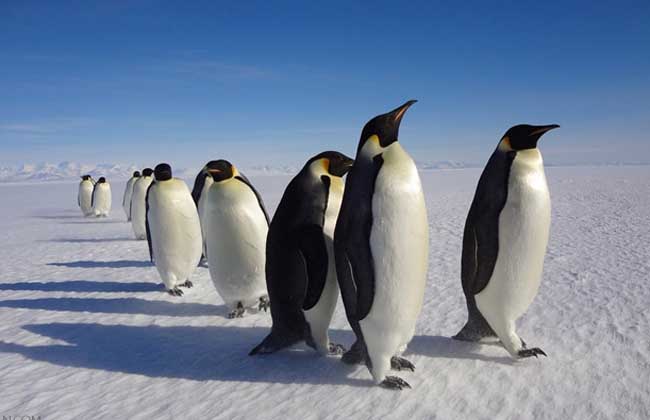
Penguins are one of the oldest swimming birds, and very likely settled in Antarctica before Earth was covered in ice. There are 18 species of penguins worldwide, most of them distributed in the Southern Hemisphere. They can live and breed in the severe cold of -60°C, and on land they look just like Western gentlemen wearing tailcoats, waddling side to side as they walk. Let us take a look below at what penguins eat!
What do penguins eat?
Penguins feed on marine zooplankton, mainly Antarctic krill, and sometimes also prey on some brachiopods, squid and small fish. Penguins have a good appetite; each penguin can eat an average of 0.75 kg of food per day, and as predators they play an important role in the food chain of the Southern Ocean. The krill that penguins prey on in Antarctica amounts to about 33.17 million tons, accounting for 90% of the total consumption by Antarctic birds, equivalent to half of the krill preyed on by whales.
The Habitat Environment of Penguins
Penguins usually live south of the equator and can only be seen in places rarely visited by people. Some penguins live in cold places, and some live in tropical places. But penguins actually do not like hot weather, and are only happy in cold climates. Therefore, in the icy ocean along the shores of far, far away Antarctica, the largest number of penguins live there. The habitat of penguins varies depending on the species and distribution area. Emperor penguins like to live on ice shelves and sea ice. Adelie penguins and gentoo penguins can live both on sea ice and on exposed rocks in ice-free areas. Penguins in the sub-Antarctic mostly like to live on rocks in ice-free areas and often build nests with stones.
The Breeding Habits of Penguins
The life history of penguins varies with the body size of the species and geographical distribution, and the breeding cycle of the same species is also related to latitude. Some species migrate long distances to ancestral nesting areas inland to lay eggs. African penguins and little blue penguins breed 2 times a year, while most species breed only 1 time a year. King penguins, however, breed 2 times within three years. King penguins and emperor penguins lay 1 egg each time, while other species lay 2 eggs, occasionally 3. Most penguins breed in the spring and summer of the Southern Hemisphere. Some populations of gentoo penguins also breed in winter. Emperor penguins have a long development period, so they begin breeding in autumn, so that the chicks are produced in summer when the chance of survival is greatest.
The Current Status of Penguin Species
There are not many species of Antarctic penguins, but their numbers are quite considerable. According to long-term observation and estimation by ornithologists, there are nearly 120 million penguins in the Antarctic region, accounting for 87% of the world's total penguins and 90% of the total Antarctic seabirds. The most numerous is the Adelie penguin, with about 50 million, followed by the chinstrap penguin, with about 3 million, and the least numerous is the emperor penguin, with about 570,000.