What are the common misconceptions about removing formaldehyde? Stop being fooled in daily life
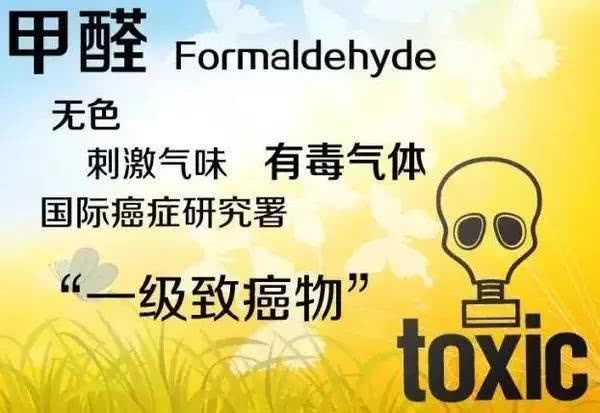
New home renovations inevitably produce formaldehyde. As a dangerous factor harming our health, we try every possible method to remove formaldehyde, and merchants exploit this mentality to push their products. But what are the misconceptions about formaldehyde removal? Are we being fooled by merchants? Let us take you through it!
Blunt reminder one: Recognize the true nature of commercial promotion
The wide variety of formaldehyde removal products currently available is dazzling. Some remove formaldehyde through physical action, others through chemical action. But experts in indoor decoration and indoor air monitoring point out that formaldehyde scavengers can only temporarily seal off pollution sources, blocking formaldehyde volatilization for a short time, and cannot fundamentally eliminate formaldehyde pollution. Because formaldehyde pollution is persistent, usually lasting 10 to 15 years, if a product claims one-time or complete eradication, unless the formaldehyde has already fully volatilized on its own, it is basically impossible. Some spray-type formaldehyde scavengers are very convenient to use. Although they temporarily eliminate odors in the air, they only form a protective film on the outer layer of the pollution source. The source of formaldehyde volatilization is not resolved. After this protective film fails, formaldehyde will still be released in large amounts and pollute indoor air. Some formaldehyde scavengers claim they can react chemically with formaldehyde, but if the formaldehyde scavenger reacts incompletely with formaldehyde, it may also generate other toxic substances causing secondary pollution. So far the state has not formulated quality standards or effect monitoring certification for formaldehyde removal products. Indoor environment monitoring experts suggest that currently no product can completely solve indoor formaldehyde pollution, so merchants' exaggerated claims should not be readily believed.
Blunt reminder two: Plant elimination method (only useful for mild pollution)
Using plants such as spider plant, aloe, and snake plant to absorb indoor polluting gases. But plants perform photosynthesis during the day, absorbing carbon dioxide and releasing oxygen, and at night they absorb oxygen and release carbon dioxide, which is unfavorable to human health, especially for those prone to allergies to pollen and flowers. The effectiveness of plants in removing harmful gases is very limited, and at best they can only serve as an auxiliary means of indoor environment treatment. To put it more clearly, only when indoor air is mildly polluted can plants play a small role in removing odors. When indoor air pollution is severe, plants are powerless, and the plants themselves may even be killed by the harmful gases. Moreover, even if plants are absorbing harmful gases, aren't people also absorbing harmful gases at the same time? Therefore, people should not leave the task of treating harmful gases entirely to plants.
Regarding the issue of removing formaldehyde, everyone should not be fooled by merchants. In fact, the best way is still to frequently open windows for ventilation, and you can also use some auxiliary methods simultaneously, such as placing water basins, activated carbon, air purifiers, and plants.