Bury a piece of this in the pots of Christmas cactus, kalanchoe, and clivia, and they will bloom with 100 flowers at a time
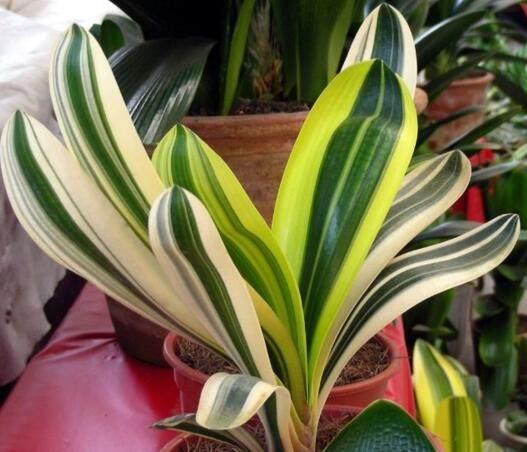
As people's living standards improve, more and more people have fallen in love with growing flowers, and no matter the season, gardening enthusiasts want their homes filled with blooming flowers. Spring, summer, and autumn are easy - there are plenty of potted plants to choose from - but when winter comes, there are not many potted plants to choose from. Christmas cactus (Schlumbergera), kalanchoe (Kalanchoe blossfeldiana), and clivia (Clivia miniata) are winter flowers that gardening enthusiasts quite like. Christmas cactus and kalanchoe both have the characteristics of a long blooming period and a large number of flowers. Although clivia does not produce many flowers, its unique leaf shape and bright blossoms have also won it many fans. Today let's share how to grow these three flowers well. In fact, once you understand their habits, you will find that growing them well is not difficult at all. And if you toss a piece of "it" into the pots of Christmas cactus, kalanchoe, and clivia, it has a "magical effect" - they will bloom with 100 flowers at a time!
So what is this "it" mentioned here?
Actually, it is the very common okara (soybean residue), which I believe gardening enthusiasts can all find. Friends who like drinking soy milk should have some at home. If you do not make your own soy milk, you can also ask the owner of a tofu stall for a little. Xiaohua asked the shop owner for some - the amount needed is not large.
So why does okara have such a magical effect on growing Christmas cactus, kalanchoe, and clivia?
This is mainly because okara is rich in protein, which can be degraded into the nitrogen that plants need. As an organic fertilizer, it can also improve the soil. Its complex composition can provide plants with a variety of elements. In particular, the nitrogen, phosphorus, and potassium fertilizer it contains makes it especially suitable for growing Christmas cactus, kalanchoe, and clivia.
Seeing this, gardening enthusiasts will probably say: I would not use that - it stinks to death! Do not worry. Today Xiaohua will share a little method for making your own flower fertilizer without the smell. Let's take a look together:
There are two methods:
1. Make compost. Put okara and garden soil into a flower pot, layering soil and okara until the pot is full, with garden soil on the very top to seal it. Once stacked, water it thoroughly, do not seal the opening, and place it directly in the sun to bake. In summer, it can be used in about 60 days; in general seasons, about 3 months; in winter, a little longer. When using it, you can mix it with garden soil to grow flowers directly, or dig holes around the edge of the pot and put 2-3 pieces in each hole. As you water, the okara fertilizer will release nutrients that are absorbed by the Christmas cactus, kalanchoe, and clivia, helping your Christmas cactus, kalanchoe, and clivia achieve lush branches and leaves.
2. Soak okara in bacterial water.
This is the method I have used. The water for soaking the okara is the supernatant liquid used for making eco-enzyme. Once the bacteria in the aqueous solution are saturated (that is, no more gas is produced), it can be used to soak the okara.
The decomposition process basically also takes 3 months, with no unpleasant smell throughout - it smells a bit sour, sometimes a bit like fermented tofu. If you make it with enzyme water, it will also have the fresh fragrance of the enzyme.
When using, take the upper clear liquid and dilute it with water at a ratio of 1:20 to water the flowers, using it 2-3 times a month. This can likewise help your Christmas cactus, kalanchoe, and clivia achieve lush branches and leaves.
Gardening enthusiasts, have you learned it?
Next, Xiaohua will talk about how to water these three flowers, because if you want potted plants to bloom more, watering is really important!
How to water kalanchoe?
Follow the principle of "water when dry, water thoroughly when watering." Do not water too much during the growing period; water once every 2-3 days, and keep the potting soil on the moist-dry side. Reduce watering in winter.
How to water clivia?
The soil should not be too dry or too wet. Each watering must be thorough, and after buds appear, water a little more. About every 20 days, combine watering with applying fermented okara water once, combining watering and fertilizing. When room temperature is low, control watering to prevent the potting soil from becoming too wet; overly wet potting soil can cause root rot and death, but the potting soil should not be too dry either.
How to water Christmas cactus?
Watering should vary with the seasons. Although winter is the growing season, because temperatures are low, do not water too much; just keep the potting soil moist, generally watering once every 4-5 days.
In summer, temperatures are high, and although it is shaded, the potting soil still dries easily, so water generally once every 1-2 days. In summer, you can often spray water on the leaves, which both prevents heatstroke and cools the plant and helps it grow well. In spring and autumn, water once every 2-3 days.
That is all for today's sharing