How to Grow Passion Fruit: Planting Techniques and Cultivation Management Key Points
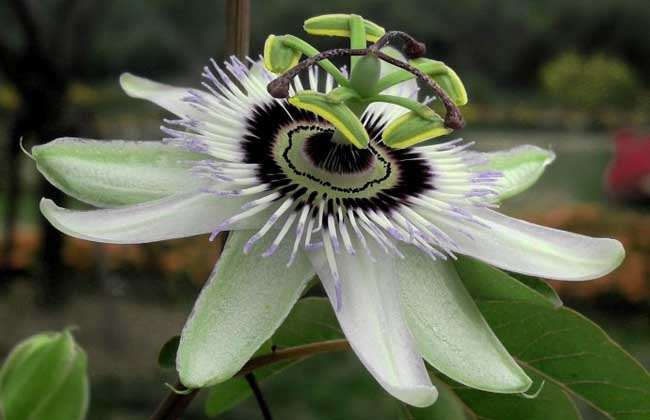
Passion fruit (Passiflora edulis) is a perennial evergreen climbing woody vine of the genus Passiflora in the family Passifloraceae. Also known as passionfruit, Brazilian fruit, purple granadilla, and purple passionflower, it originated in Brazil and was later cultivated in South America, South Africa, Southeast Asian countries, Australia, and various regions of the South Pacific. In China, it is cultivated in Guangxi, Jiangxi, Sichuan, Yunnan, and other places. Let's take a look at the planting techniques for passion fruit below!
Passion Fruit Growth Habits
Passion fruit originated in South America and is commonly cultivated in tropical and subtropical regions. It is a tropical and subtropical fruit that prefers light, sunny, and warm climatic environments. It has strong adaptability and is not strict about soil requirements. It can be planted in front of and behind houses, on hillsides, and along roadsides, but grows best in sunny garden plots that are rich in organic matter, loose, with deep soil layers, good drainage, and ample sunlight. It dislikes waterlogging and is not drought-tolerant, so the soil should be kept moist.
Passion Fruit Cultivated Varieties
1. Purple fruit type: The purple fruit type of passion fruit has purple-red skin and greenish stems and vines. It is suitable for planting in areas with cool summers at elevations of 300 to 500 m, but is not suitable for cultivation in the Pearl River Delta or areas to the south where summer temperatures are high.
2. Yellow fruit type: The yellow fruit type of passion fruit has strong adaptability, larger fruits, higher yield, excellent quality, and a higher juice yield, but it has poor cold tolerance. Some varieties also exhibit self-incompatibility and require manual supplementary pollination.
Passion Fruit Propagation Methods
1. Sowing: Seed propagation can be carried out throughout the year, but sowing in spring and autumn is best. Generally, select robust plants with no pests or diseases and high, stable yields as mother plants. Harvest fully ripe fruits with a regular shape and slightly heavier weight, remove the seeds, wash away the residue, and dry them before sowing. When sowing, mix 1 kg of seeds with 10-20 g of carbendazim for about 20 minutes, then evenly broadcast the seeds on the seedbed, cover with a thin layer of grass, water thoroughly, and transplant when the seedlings grow 4 true leaves.
2. Layering: Layering propagation is best done in spring from February to March. This is a propagation method in which branches from the mother plant are pressed into the soil or wrapped with soil and other materials to form adventitious roots, and then the branches above the adventitious roots are separated from the mother plant to form an independent new plant. During layering, to interrupt the downward transport of organic substances such as sugars, auxins, and other substances from the leaves and upper branches, allowing these substances to accumulate in the upper part of the treated area for use during rooting, ring barking can be performed.
3. Cuttage: The best time for cuttage is spring from February to March, and autumn cuttage is also possible. Select robust, mature one-year-old vines as cuttage material. After cutting the cuttings, soak them in a 25 mg/kg aqueous solution of Abr rooting powder for 30 minutes, then insert them into nutritional bags with a diameter of 8 cm × height of 12 cm for cultivation. The insertion depth should reach 2/3 of the cutting length. It takes about 3-4 months from cuttage to leaving the nursery.
Passion Fruit Planting Methods
1. Soil: For passion fruit cultivation, sandy loam soil that is fertile, loose in texture, and well aerated should be selected. Heavy clay soil, tight sandy soil, cold sandy soil, and areas prone to erosion are not suitable for planting unless improved. Soil pH should preferably be neutral to slightly acidic below pH 7.0.
2. Planting: When planting passion fruit seedlings, old leaves should be properly pruned, and the nutritional bag should be removed by breaking it open and must not be buried in the soil. When setting the seedlings, mix an appropriate amount of decomposed organic fertilizer with sandy loam soil to use as planting soil or cover soil. When planting, straighten the root system, fill soil in layers, and press firmly. Water the roots promptly after planting. For newly dug planting holes, the seedling root crown should be slightly 8-10 cm above ground level when planted. After planting, form a tree basin and cover it with a small piece of film measuring 50 × 50 cm.
2. Fertilizer and water: For newly planted passion fruit, basal fertilizer application should be combined with digging holes for planting. Apply 10-15 kg of decomposed farmyard manure per hole, backfill the hole with soil, and then plant. After fruit harvest each year, apply sufficient basal fertilizer in combination with pruning and weeding, applying 8-10 kg of decomposed organic fertilizer per plant. Topdressing for passion fruit is generally carried out after the plants survive transplanting, once a month, first light and then concentrated, with diluted manure water being preferable.
3. Vine training: When young passion fruit trees grow to 40-50 cm, supports should be set up promptly to guide the young vine onto the trellis. When the main vine of the young tree grows to 70-80 cm, keep 2 lateral vines and guide them separately onto the trellis as the first layer of main vines. When the plant grows to 150-160 cm, keep another strong lateral branch, which together with the extended main vine serves as the second layer of main branches, and guide them in opposite directions onto the trellis, forming a double-layer, four-branch vine training shape.
4. Flowering: Passion fruit flower buds are of the current-year differentiation type, shooting and differentiating at the same time. From flower bud differentiation to flowering takes only about 30 days. Newly planted cuttage seedlings in the same year can flower by June, and a small amount of fruit is available on the market by August. The second year enters the formal fruiting period, and multiple flowerings can occur from March to November each year. A flower can form at each node on the base of the flowering branch vine. In production, 4-6 normal flowers can form continuously, and after that, normal developed flowers can form every 2-3 nodes.
5. Fruiting: The time required for passion fruit to mature varies depending on the flowering season. Flowers that open in May-June mature 50-60 days after flowering, flowers that open in August-September require 70-90 days to mature, and flowers that open after October require 100-120 days to mature. Its self-pollination fruit-setting rate is high. Ripe fruits can be harvested from mid-June each year to early February of the following year, with the most concentrated harvest periods in early July and late October respectively.