How to control the lychee stink bug? A detailed guide to control methods and practical tips
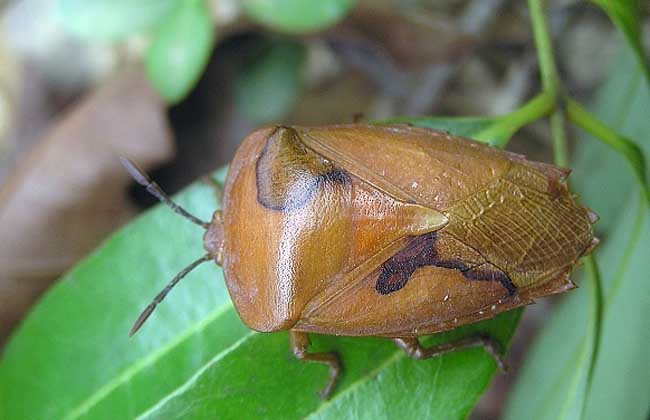
The lychee stink bug is a fruit tree pest, also known as the lychee stink bug, an insect of the family Tessaratomidae in the order Hemiptera. It mainly damages lychee and longan, and also damages other plants in the family Sapindaceae. The adult is about 25 mm long, with a shield-shaped body and a yellow-brown color. In China it is distributed in Fujian, Taiwan, China, Guangdong, Guangxi, Yunnan and other provinces and regions. Let us take a look at the control methods for the lychee stink bug below!
Morphological characteristics
The adult lychee stink bug is about 25 mm long, with a shield-shaped body and a yellow-brown color. The ventral surface is covered with white waxy powder, and it has stink glands, with openings at the junction of the mesothorax and metathorax on the ventral side of the thorax. The egg is spherical, 2.5-2.7 mm long, light green, and turns dark gray before hatching. The nymph's body color alternates red and black. The eggs are nearly spherical, 2.5-2.7 mm in diameter, light green when first laid, a few light yellow, and purplish red near hatching, often gathered in clusters of 14.
Life habits
The lychee stink bug has 1 generation per year, overwintering as adults in dense foliage or on the underside of old leaves on trees. In March and April of the following year they resume activity and lay eggs on the underside of leaves. In May and June the nymphs break out in large numbers and cause damage. The nymphs go through 5 instars over about 2 months and have a feigning-death habit. Most emerge as adults in July and enter the overwintering period after the weather turns cold. The nymphs and adults pierce and suck the sap of tender shoots, flower clusters and young fruits of lychee and longan, causing flower and fruit drop. If disturbed, they often eject a foul-smelling liquid in self-defense, and where it touches tender shoots and young fruits the affected parts turn scorched brown.
Damage symptoms
Both the adults and nymphs of the lychee stink bug pierce and suck the sap of tender branches, flower clusters and young fruits, causing flower and fruit drop. The foul-smelling liquid they secrete, when it touches flower stamens, tender leaves and young fruits, can cause the contacted parts to die. When outbreaks occur, they seriously affect yield, and can even result in total crop failure.
Control methods
1. Agricultural control: Agricultural control mainly consists of manual capture. During the low-temperature period in winter (below 10°C), the lychee stink bug is affected by the cold and is not easy to take flight; suddenly shaking the branches vigorously makes the overwintering adults fall to the ground, where they are gathered and burned. Use Anastatus japonicus to control the lychee stink bug.
2. Chemical control: In early spring, before the overwintering adults have laid large numbers of eggs, spray trichlorfon solution (800-1000 times dilution) to kill the overwintering adults. Spray a second time during the nymph stage to kill large numbers of 3rd-instar nymphs. In areas with high insect population density, spray the whole area; in areas with low insect population density and few flowering fruit trees, apply targeted spraying. In large contiguous lychee-growing areas, use aircraft for control.