A Complete Guide to Elaeagnus umbellata Planting Techniques and Management Methods
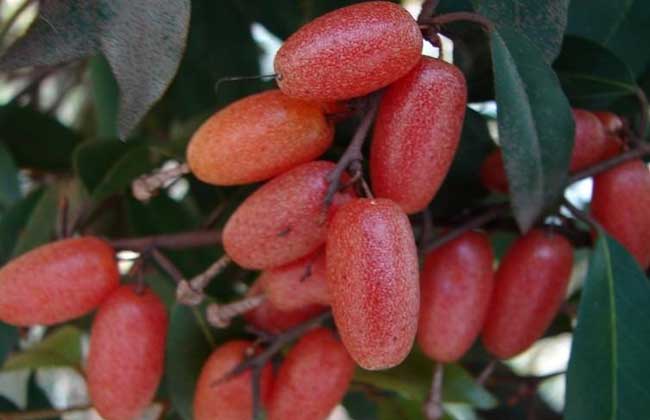
Elaeagnus umbellata, scientific name Elaeagnus pungens, also known as què'érsū, tiánbàngzi, niúnǎizǐgēn, yángnǎizi and so on, is an evergreen upright shrub of the genus Elaeagnus in the family Elaeagnaceae. When ripe, the fruit is sweet and edible; the roots, leaves and fruit are all used medicinally, and it also has a certain ornamental value. It can be cultivated by sowing seeds or by cuttings, and is relatively easy to grow. Let's take a look at the planting techniques for Elaeagnus umbellata below!
Growth Habits of Elaeagnus umbellata
Elaeagnus umbellata has relatively strong cold resistance. In the southern part of North China it can overwinter in the open field and can endure an absolute low temperature of around minus 8°C. The suitable growth temperature is 24-34°C, and it tolerates high temperatures and intense summer heat. Although in its place of origin it grows on hillsides under sparse forests and in shady, damp valleys, it is not afraid of direct sun exposure and also has fairly strong shade tolerance. It is not demanding about soil and can grow in neutral, acidic and calcareous soils. It is drought-tolerant and tolerant of poor, thin soil, but not tolerant of waterlogging.
Propagation Techniques for Elaeagnus umbellata
1. Sowing: In mid-to-late May each year, harvest the fruit and pile it up. After a period of ripening, it rots on its own; then wash the seeds clean and sow them immediately. The seed germination rate is only about 50%, so the sowing rate should be appropriately increased. Use the furrow drilling method, with a row spacing of 15-20 cm, cover with soil 1.5 cm thick, and after sowing cover with straw to preserve moisture. After sowing, summer has already arrived, and the temperature is relatively high, so all seedlings can emerge within just over a month. A shade frame should be built immediately, and fertilizer should be applied 2 times that year. In the early spring of the following year, divide the seedlings and transplant them, and after another 1-2 years of cultivation they can be released from the nursery.
2. Cuttings: Elaeagnus umbellata cuttings are mostly taken in early April. Cut vigorous 1-2 year old branches as cuttings, cut them into sections 12-15 cm long, retain 1-2 leaves, and insert them 5-7 cm deep into the soil. If cuttings are taken in an open-field seedbed, a shade frame needs to be built; when potting cuttings, they should be kept under a shade frame. They root in about 2 months. They can continue to be grown into large seedlings in an open-field seedbed, or they can be potted for cultivation.
Elaeagnus umbellata Planting Techniques
1. Afforestation: Elaeagnus umbellata has strong adaptability to the environment and a small crown, so it is suitable for close planting, generally 1×1.5 m, with 6000-7500 plants per hectare. Before planting, dig planting holes 60-80 cm in diameter and depth, use farmyard manure as base fertilizer, and water thoroughly after planting the seedlings.
2. Management: In the year of planting, Elaeagnus umbellata should be cultivated and weeded at the appropriate time and topdressed with fertilizer to promote the growth of young seedlings. After that, cultivate and weed 1-2 times each year. After the plantation is established, prune excessively dense branches each autumn. It can be managed in a clump-branch tree form, cutting away drooping branches and tiller shoots to maintain ventilation and light penetration. After 3 years it enters the fruiting stage.