Is bayberry an acidic fruit or an alkaline fruit?
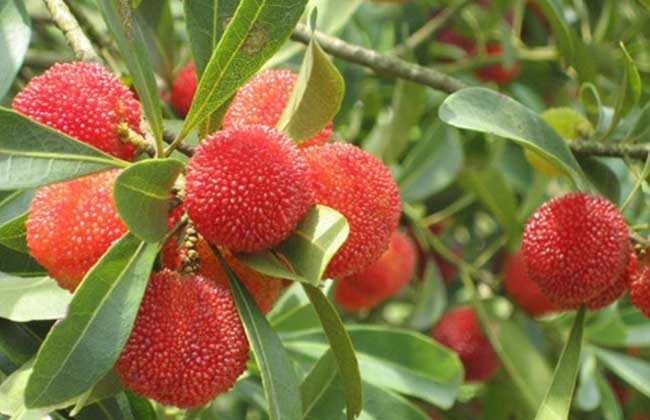
Bayberry is a small tree or shrub plant of the genus Myrica in the family Myricaceae, also known as Chinese bayberry, waxberry, and tree berry. It is distributed in East China and Hunan, Guangdong, Guangxi, Guizhou and other regions of China. Its fruit tastes moderately sweet and sour, and it can be eaten directly, or processed into dried bayberry, jam, candied fruit, etc. It can also be used to make wine, and has functions such as quenching thirst, promoting salivation, and aiding digestion. Now let us take a look at whether bayberry is acidic or alkaline!
Is bayberry acidic or alkaline?
Bayberry is an alkaline food. Most people have a very vague understanding of the acidity and alkalinity of foods, thinking that foods that taste sour are acidic foods and foods that taste astringent are alkaline foods. In fact, this is wrong. Although bayberry tastes sour, like most fruits it is an alkaline food, because after being digested in the intestines it is alkaline.
What are the common acidic foods?
1. Strongly acidic: egg yolk, cheese, desserts, white sugar, tuna, flounder, etc.
2. Moderately acidic: ham, bacon, chicken, pork, eel, beef, bread, wheat, etc.
3. Weakly acidic: white rice, peanuts, beer, seaweed, octopus, chocolate, macaroni, scallions, etc.
What are the common alkaline foods?
1. Vegetables: water shield, purslane, houttuynia, water spinach, tomato, chayote, zucchini, bottle gourd, calabash, melon, Hami melon, watermelon, snake melon, bamboo shoots, kelp, lotus root, konjac, arrowhead, kudzu root, beet, radish, kohlrabi, celery, amaranth, eggplant, lettuce, wild rice stem, bitter melon, rapeseed, spinach, mushroom, romaine lettuce, cauliflower, enoki mushroom, winter melon, cucumber, loofah, lily, carrot, rutabaga, crowndaisy chrysanthemum, schizonepeta, Chinese cabbage, cabbage, lion's mane mushroom, black fungus, shepherd's purse, snow fungus, sweet potato, potato, taro, kombu, turnip, yam, onion, Chinese onion, Chinese toon, Chinese chives, potherb mustard, cilantro, bell pepper, pumpkin, ginger, scallion, garlic, chili pepper, pepper, dried radish, red radish, etc.
2. Medicinal herbs: dendrobium, reed root, chrysanthemum, mint, rehmannia, white peony root, American ginseng, adenophora root, cassia seed, polygonatum, gastrodia, codonopsis, poria, licorice, fleeceflower root, amomum fruit, cordyceps, osmanthus, ligusticum, astragalus, ginseng, angelica, cistanche, eucommia, atractylodes, cinnamon, etc.
3. Fruits: kiwi, persimmon, mulberry, fig, sugarcane, banana, water chestnut, pear, loquat, orange, mandarin, mango, monk fruit, apple, grape, hawthorn, pomegranate, papaya, betel nut, peach, lemon, cherry, lychee, tangerine, longan, chestnut, almond, etc.
4. Others: tea leaves, wine, soy milk, milk, honey, table salt, vinegar, dietary alkali, etc.