How to plant pomegranate seeds? Detailed planting method shared
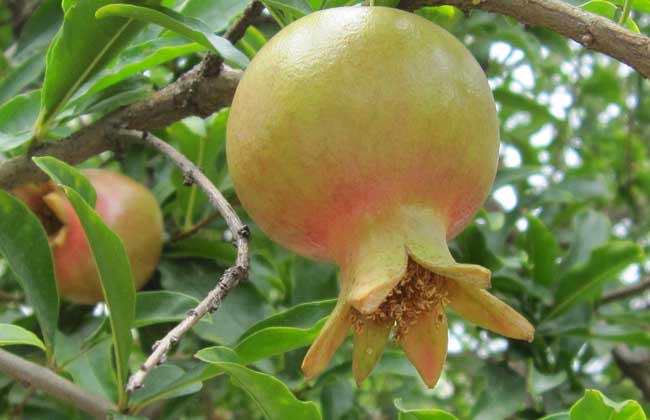
The pomegranate is a deciduous tree or shrub of the genus Punica in the family Lythraceae. It prefers a warm, sunny environment, is drought-tolerant, cold-tolerant, and tolerates poor soil; it does not tolerate waterlogging or shade. It has low soil requirements, but cultivation in well-drained sandy loam is preferable. Propagation methods include cuttings, layering and sowing. Let's take a look below at how to plant pomegranate seeds!
Seed collection
Pomegranate fruits usually mature from August to September. When the pomegranate fruits are ripe, harvest them promptly, take out the seeds, rub off the outer seed coat, dry them and store them. The seeds can be mixed with river sand at a ratio of 1:5 and stored to let the seeds go dormant.
Seed soaking and germination
Before sowing pomegranate seeds, soak the seeds in warm water, generally two ladles of cold water mixed with one ladle of boiling water, for 10 to 24 hours. The purpose of soaking the seeds is to promote germination and increase the emergence rate. Soaked seeds show a 20-25% increase in emergence rate, emerge 5 to 7 days earlier, and the seedlings are vigorous.
Sowing technique
The sowing period for pomegranate seeds is from March to before April 20 on the solar calendar. Both fine sand and sandy loam can be used for sowing. Open furrows about 1 cm deep, sow the seeds in the furrows, cover with 1 to 1.5 cm of soil, cover with grass on top, and water thoroughly once so that the soil maintains a moisture content of about 60%.
Post-sowing management
After sowing pomegranate seeds, spray water frequently and keep the temperature above 10°C. Generally, at 10°C to 15°C, seedlings emerge in 36 to 40 days; at 15°C to 20°C, they emerge in about 25 days; at 20°C to 25°C, they emerge in 15 to 20 days. After emergence, they can be exposed to sunlight and given strengthened management. When the seedlings are 15 to 20 cm tall, they can be transplanted into pots.