Where Are Coconuts Grown? A Full Analysis of the Main Producing Regions
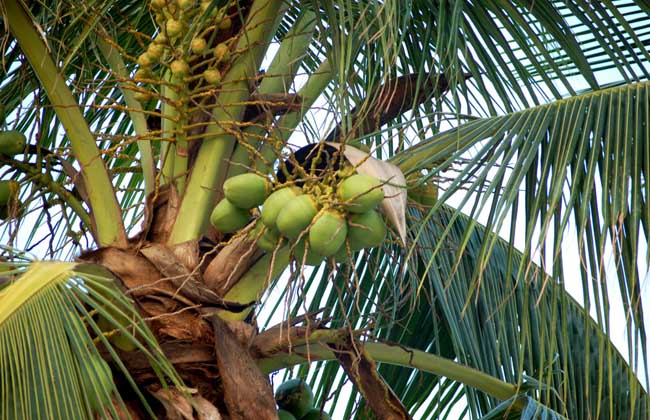
The coconut is a tall, tree-like plant of the genus Cocos in the palm family Arecaceae. It is an important tropical woody oil crop with extremely high economic value. Every part of the plant has a use and can produce different products, making it fully utilized across various industries. In China, the coconut was already recorded in the "Records of the Grand Historian" more than two thousand years ago. Let us take a look below at where coconuts are grown!
Where are coconuts grown?
The coconut originated in Southeast Asia, from Indonesia to the Pacific Islands. It is mainly distributed across Asia, Africa and Latin America between 23°S and 23°N, with the greatest concentration in coastal areas near the equator. The main producing regions are the Philippines, India, Malaysia, Sri Lanka and other countries. In China, it is cultivated on the islands of southern Guangdong, the Leizhou Peninsula, Hainan, Taiwan, China and the tropical areas of southern Yunnan.
The growing environment of coconuts
Coconuts grow where the annual average temperature is 26-27°C, the annual temperature difference is small, and the annual rainfall of 1300-2300 mm is evenly distributed, with more than 2000 hours of annual sunlight; coastal areas below 50 m in elevation are most suitable. It is a light-loving tropical crop that grows and develops well under conditions of high temperature, abundant rain, ample sunlight and sea breezes. It is suited to growing at low elevations, and the most suitable soils are marine alluvial soil and riverbank alluvial soil, followed by sandy loam, then gravelly soil, with clay soil being the worst.
The cultivation value of coconuts
1. Nutritional value: Coconut water and coconut meat contain large amounts of protein, fructose, glucose, sucrose, fat, vitamin B1, vitamin E, vitamin C, potassium, calcium, magnesium and more, making it a delicious fruit suitable for all ages. In every 100 grams of coconut, the energy reaches more than 900 kilojoules, with 4 grams of protein, 12 grams of fat and 4 grams of dietary fiber, along with various trace elements and a rich content of carbohydrates.
2. Medicinal value: The coconut is sweet in flavor and neutral in nature, entering the stomach, spleen and large intestine meridians. The flesh has the effects of tonifying deficiency and strengthening the body, boosting qi and dispelling wind, and eliminating malnutrition and killing parasites. Eaten over time, it can make the face lustrous, boost one's strength and improve tolerance of hunger, and it treats tapeworm and fasciolopsiasis in children. Coconut water has the effects of nourishing the body and clearing summer heat and quenching thirst, and mainly treats thirst from summer heat and thirst due to insufficient body fluids. Coconut shell oil treats ringworm and syphilitic sores.
3. Economic value: There are more than 360 comprehensive utilization products made from coconut, giving it extremely high economic value. Every part of the plant has a use, and the coconut can produce different products that are fully utilized across various industries. It is a unique renewable, green and environmentally friendly resource in tropical regions.