Is mangosteen a hot-natured or cool-natured fruit? You'll understand after reading this
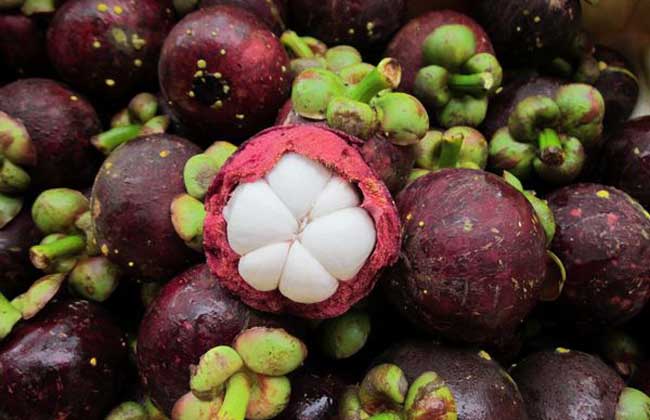
Mangosteen is a famous tropical fruit that can be eaten raw or made into preserved fruit. It originated in the Maluku Islands and is widely cultivated in tropical regions of Asia and Africa. It has also been introduced or trial-planted in Taiwan, China, Fujian, Guangdong, Hainan and Yunnan in China. Its nutritional value is very high, and regular consumption has many benefits for the human body. Let's take a look below at whether mangosteen is a hot-natured or cool-natured fruit!
Is mangosteen hot-natured or cool-natured?
Mangosteen is a cool-natured fruit, but eating too much mangosteen can also cause internal heat. Mangosteen contains relatively many nutrients, especially protein, which is an essential nutrient for the human body, so eating it can supplement the protein the body lacks. Because it is rich in nutrients, it has a very good supplementing effect for people who are malnourished. In addition, mangosteen can also speed up the burning of body fat, so for people who want to lose weight, eating some mangosteen can also help achieve the goal of weight loss, and it also has a whitening and skin-care effect.
What are the benefits of eating mangosteen regularly?
1. Enhance immunity: The protein and lipids contained in mangosteen have a very good nourishing effect on the body, and have a very good conditioning effect on people who are weak, malnourished, or recovering from illness.
2. Supplement energy: Mangosteen contains carbohydrates and sugars, which can quickly provide energy to the body.
3. Calm the nerves and relieve irritability: The carbohydrates in mangosteen can supplement the glucose consumed by the brain, relieving symptoms such as fatigue, irritability, dizziness, insomnia, night sweats, poor concentration, forgetfulness, extreme thirst, depression and metabolic disorders caused by insufficient glucose supply to the brain.
4. Promote salivation and quench thirst: Mangosteen moistens the throat and removes dryness, making people feel refreshed and comfortable. It is suitable for people with dry mouth, dry eyes, excessive worry, insufficient sleep, excessive talking, burns, scalds, eczema and stomatitis.
What are the dietary taboos of mangosteen?
1. People who are obese and patients with kidney disease or heart disease should eat less; people with diabetes should avoid it; people with a cold-deficient constitution should only eat a small amount and should not eat too much.
2. Eat at most 3 mangosteens per day; too many will cause constipation. If you accidentally eat too much, you can neutralize it with ginger tea boiled with brown sugar.
3. Mangosteen should not be eaten together with cold and cool foods such as watermelon, soy milk, beer, Chinese cabbage, mustard greens, bitter melon, winter melon and lotus leaf.
4. When eating mangosteen, it is best not to let the purple juice stain the flesh segments, as this will affect the taste.
5. Women during menstruation or those with cold-type dysmenorrhea should not eat it.