How to Peel a Mangosteen? Simple and Practical Methods to Teach You
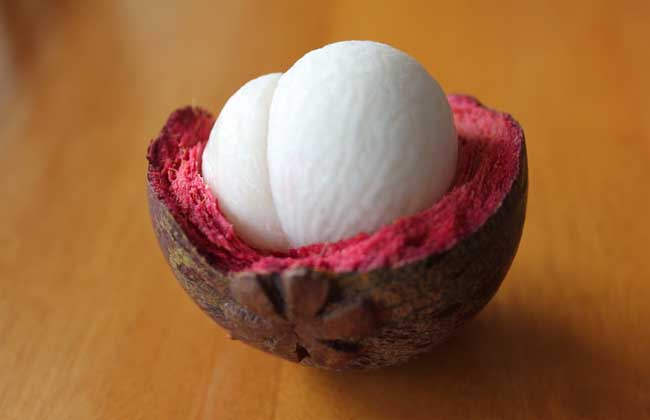
The mangosteen is a truly green fruit, also known as shanzhu, shanzhuzi, mangjishi, and so on. It is mainly produced in tropical regions and is as famous as durian, enjoying the title of "Queen of Fruits." It is usually sold in supermarkets, so many people feel unfamiliar when they see a mangosteen. They want to buy some to try, but they do not know how to peel it. Now let us take a look together at how to peel a mangosteen!
How do you store mangosteens?
Mangosteens dry out and spoil easily, so storage is generally mainly by refrigeration. Put the mangosteens in a fresh-keeping bag, leave a small amount of air, then tie the bag tightly and place it in the refrigerator to chill. In this way, the mangosteens can be kept for several days. Because the flavor of mangosteens deteriorates day by day after 5 days of storage, and they can be stored for at most 10 days, it is recommended not to buy a large amount at one time; buy only as much as you will eat.
How do you peel a mangosteen?
1. First remove the leaves from the mangosteen. After some mangosteen leaves are removed, the flesh will be exposed at the top. Use a kitchen knife and cut down along the gap between two segments of flesh; cut through the rind and it will be easy to peel.
2. Then, for those that do not expose the flesh, gently cut down on one side with a knife. Be careful not to cut the flesh. How do you control this degree? Actually, you can rest assured, because cutting the skin of a fresh mangosteen with a knife gives you a feel for it. Then, from the cut opening, pry open the rind.
3. Finally, take out the whole flesh. Be careful when taking out the flesh not to let it touch the purple juice on the rind, otherwise the taste will be astringent.
How do you select mangosteens?
1. Look at the color of the fruit stem: When selecting mangosteens, be sure to pay attention to the color of the leaf segments below the fruit stem. The greener the mangosteen leaf segments, the fresher it is. If the color turns brown or black, it means the mangosteen has been left for a long time and is not fresh.
2. Pinch the shell: Press gently with your thumb. The shell should be elastic. If the pressed area can immediately recover, it means it is fresh. If the shell is so hard that you cannot press it down, then resolutely put this mangosteen back where it was.
3. Count the stem segments at the bottom: Usually the bottom of a mangosteen has 4 to 8 stem segments. The number of these stem segments is the same as the number of segments of flesh. The more stem segments, the more segments of flesh. The more segments of flesh, the smaller the seeds; some seeds can even be eaten directly. Therefore, be sure to choose mangosteens with more stem segments.
Dietary Taboos for Mangosteens
1. Obese people and patients with kidney disease or heart disease should eat less; people with diabetes should avoid eating them; people with a cold-deficient constitution should only eat a small amount and should not eat much.
2. Eat at most 3 mangosteens per day; too many will cause constipation. If you accidentally eat too many, you can harmonize it by boiling ginger tea with brown sugar.
3. Mangosteens should not be eaten together with cold and cooling foods such as watermelon, soy milk, beer, Chinese cabbage, mustard greens, bitter melon, winter melon, and lotus leaf.
4. When eating mangosteens, it is best not to let the purple juice stain the flesh segments, as this will affect the taste.
5. Women during menstruation or those with cold-type dysmenorrhea should not eat them.