What are the propagation methods for mangosteen? A detailed explanation
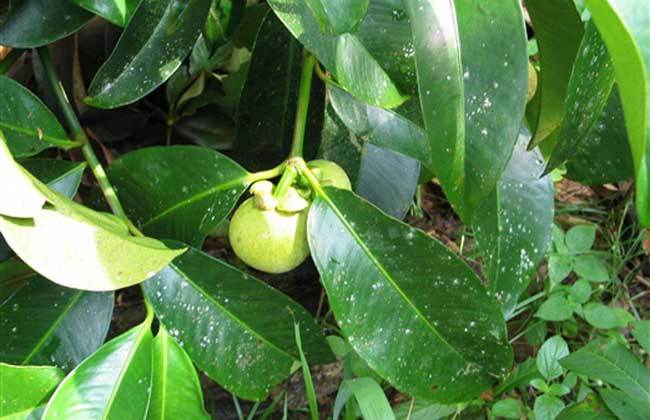
Mangosteen, also known as manggis, mountain bamboo, mangosteen tree, and gamboge, among other names, is a small tree of the genus Garcinia in the family Clusiaceae. It originated in Maluku and is widely cultivated in tropical regions of Asia and Africa. Its propagation methods include cutting, grafting, layering, and division, and transplanting can be done in spring, summer, autumn, and winter. Now let us take a look together at the propagation methods for mangosteen!
Cutting propagation
Cutting the roots, stems, and leaves of mangosteen and inserting them into a seedbed so that they grow into a complete plant is called cutting propagation. The material used for cuttings (roots, stems, leaves) is called the cutting slip.
Grafting propagation
Grafting is attaching a bud or branch of one mangosteen to another plant so that the two parts grow into one complete plant. The attached bud or branch is called the scion, and the plant being grafted onto is called the rootstock.
Layering propagation
Using a branch of the mother mangosteen plant and pressing it into the soil, then taking certain measures to make it root so as to obtain a new plant, is called layering. The mangosteen layering method is easy to operate, requires no special management after layering, and has a high survival rate, so it is a commonly used propagation method.
Division propagation
Division propagation is the method of separating tiller buds, corms, rhizomes, stolons, and so on from the mother mangosteen plant and planting them separately to form independent new plants. It can often be divided into two types: whole division and half division.