Is Walnut an Alkaline Food? Understanding the Acidity and Alkalinity of Walnuts in One Article
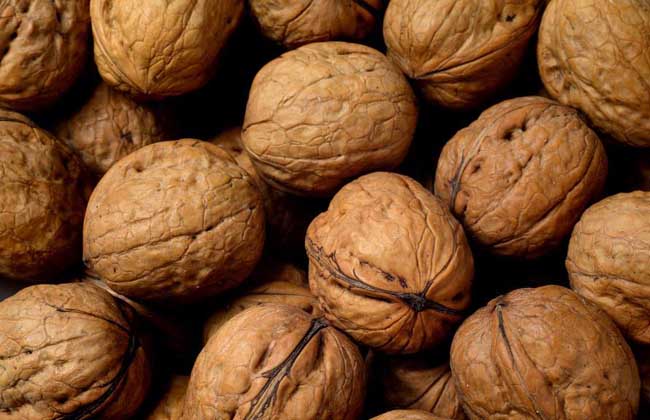
Walnut is a very nutritious fruit, also known as Persian walnut, Qiang walnut, etc. It can be counted as a type of fruit and can protect heart function, so it is favored by many elderly people. In fact, walnuts have many benefits, and not only for the elderly; young and middle-aged people also gain many benefits from eating them. Let us take a look below at whether walnuts are an alkaline food!
Is Walnut an Alkaline Food?
Walnut is an alkaline food. Walnuts belong to the nut category, and nuts are all alkaline foods. In fact, the acidity or alkalinity of a food has nothing to do with its own pH value (a food that tastes sour is not necessarily an acidic food). It is mainly defined by whether the food, after digestion, absorption and metabolism, finally becomes an acidic or alkaline substance in the human body. Those that produce acidic substances are called acidic foods, such as animal organs, muscle and plant seeds; those that produce alkaline substances are called alkaline foods, such as vegetables, melons and beans, tea, etc.
Efficacy and Effects of Walnut
1. Breaking blood and removing stasis: Walnut can be used for conditions such as blood-stagnation amenorrhea, blood-stasis abdominal pain, blood accumulation with mania, and traumatic bruises.
2. Moistening dryness and lubricating the intestines: Walnut can be used for difficult defecation due to intestinal dryness and constipation. This product is bitter and dispersing, removes stasis, and enters the blood aspect of the liver meridian. It has a relatively strong effect of activating blood and regulating menstruation, removing stasis and generating new tissue, and is suitable for those with relatively severe blood-aspect stagnation. In addition, it also has the effects of moistening the intestines and relieving cough.
3. Tonifying deficiency and strengthening the body: Walnut is rich in walnut oil. A mixed-fat diet containing walnut oil can increase body weight and serum albumin, while blood cholesterol levels rise relatively slowly. Therefore, walnut is a rare tonic among high-fat substances.
4. Nourishing the skin: The oil rich in walnut kernel is beneficial for moisturizing the skin and maintaining human vitality.
5. Preventing and fighting cancer: The effective components of walnut have an inhibitory effect on S37 tumors in mice. Walnut twigs have a certain inhibitory effect on various tumors such as esophageal cancer, gastric cancer, nasopharyngeal cancer, lung cancer, thyroid cancer, lymphosarcoma, etc. In addition, walnut also has effects such as analgesia, increasing white blood cells and protecting the liver in cancer patients.
6. Nourishing the brain and improving intelligence: Children who often eat fish and nuts perform well. The higher the level of omega-3 fatty acids (especially DHA) in children's blood, the better their reading ability and memory, and the lower the probability of behavioral problems. The main food sources of omega-3 fatty acids include deep-sea fatty fish such as sardines, mackerel, salmon and tuna, flaxseed, and various nuts such as walnuts.
What Are Common Alkaline Foods?
1. Vegetables
① Cold-natured alkaline foods: water shield, purslane, Houttuynia cordata (fish mint), water spinach, tomato, chayote, zucchini, bottle gourd, calabash, melon (muskmelon), Hami melon, watermelon, snake melon, bamboo shoots, kelp.
② Cool-natured alkaline foods: lotus root, konjac, arrowhead, kudzu root, beet (beetroot), radish, kohlrabi, celery, amaranth, eggplant, lettuce (celtuce), wild rice stem, bitter melon, rapeseed, spinach, mushroom, romaine lettuce, cauliflower, enoki mushroom, winter melon, cucumber, loofah.
③ Neutral-natured alkaline foods: lily, carrot, rutabaga, garland chrysanthemum, schizonepeta, Chinese cabbage, cabbage, lion's mane mushroom, wood ear mushroom, shepherd's purse, silver ear fungus, sweet potato, potato, taro.
④ Warm-natured alkaline foods: turnip, Chinese yam, onion, Chinese onion (wild garlic), Chinese toon, Chinese chive, potherb mustard, coriander, bell pepper, pumpkin, ginger, scallion.
⑤ Hot-natured alkaline foods: garlic, chili pepper, pepper.
2. Edible Medicinal Materials
① Cold-natured alkaline foods: Dendrobium, reed root.
② Cool-natured alkaline foods: chrysanthemum, mint, rehmannia, white peony root, American ginseng, sand ginseng, cassia seed.
③ Neutral-natured alkaline foods: Polygonatum, Gastrodia elata, Codonopsis pilosula, Poria cocos, licorice.
④ Warm-natured alkaline foods: Polygonum multiflorum, Amomum villosum, Chinese caterpillar fungus, osmanthus, Ligusticum chuanxiong, Astragalus membranaceus, ginseng, Angelica sinensis, Cistanche deserticola, Eucommia ulmoides, Atractylodes macrocephala.
⑤ Hot-natured alkaline foods: cinnamon.
3. Fruits
① Cold-natured alkaline foods: kiwifruit, persimmon, mulberry, fig, sugarcane, banana, water chestnut.
② Cool-natured alkaline foods: pear, loquat, orange, mandarin, mango, monk fruit, apple.
③ Neutral-natured alkaline foods: grape, hawthorn, pomegranate, papaya, longan, betel nut, tangerine, lychee, lemon.
④ Hot-natured alkaline foods: peach, cherry.
4. Nuts
① Neutral-natured alkaline foods: soybean (yellow soybean).
② Warm-natured alkaline foods: chestnut, almond.
5. Beverages
① Cool-natured alkaline foods: tea leaves.
② Neutral-natured alkaline foods: wine, soy milk, milk, honey.
③ Warm-natured alkaline foods: coffee.
6. Processed Products
① Cold-natured alkaline foods: table salt.
② Warm-natured alkaline foods: vinegar.
③ Hot-natured alkaline foods: dietary alkali.