When Do Mangoes Ripen? Introduction to the Ripening Season and Timing
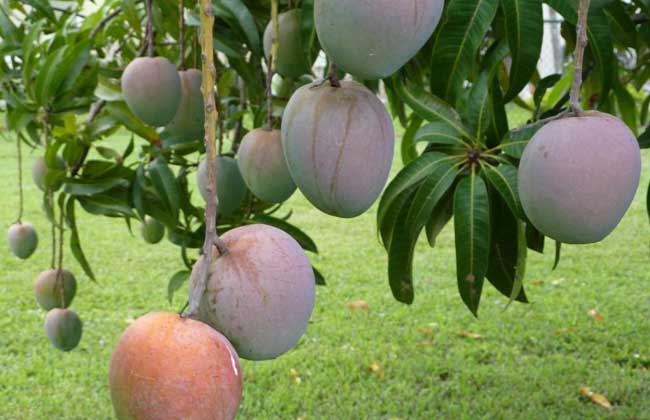
Mango is a large evergreen tree of the Anacardiaceae family native to India and one of the famous tropical fruits, also known as mameng, momengguo, mangguo and so on. The fruit contains sugars, protein and crude fiber, and its vitamin C content is not low either; minerals, protein, fat and carbohydrates are also among its main nutrients. Let us take a look below at when mangoes ripen!
When do mangoes ripen?
Mangoes generally ripen in summer, but tropical regions such as Hainan can produce as many as two crops. Different varieties of mango also ripen and reach the market at different times: mangoes in Israel ripen mainly from August to September, in Brazil from September to December, in Peru from January to February, in Australia from December to February, in South Africa from January to March, in the Philippines and Thailand from January to May, in Vietnam from March to May, in Mali, Cote d'Ivoire and Burkina Faso from March to May, and in India, Mexico, Venezuela, Puerto Rico and Costa Rica from May to July.
Where are mangoes grown?
Mango is native to India and is mainly distributed in India, Bangladesh, Indochina and Malaysia, growing in forests on hillsides, in river valleys or in open country at altitudes of 200-1350 m. It is now widely cultivated around the world, and more than a hundred varieties have been bred. In China it is mainly produced in Yunnan, Guangxi, Guangdong, Fujian, Taiwan, China and other places, and more than 40 varieties have been cultivated in China.
Mango Growing Environment and Conditions
1. Temperature: Mango likes warmth and cannot tolerate cold or frost. The optimum temperature for growth is 25-30°C; below 20°C growth slows, and below 10°C the leaves and flower clusters stop growing, while nearly ripe fruit suffers cold damage. The effective temperature for growth is 18-35°C, the optimum temperature for shoot growth is 24-29°C, and fruit set and young fruit growth require an average daily temperature above 20°C.
2. Light: Mango is a light-loving fruit tree. Sufficient light promotes flower bud differentiation, flowering and fruit set, and improves fruit quality and appearance. Usually, individual trees on the sunny side of the canopy or in open environments flower more and have a higher fruit-setting rate, while mangoes with too many branches and leaves, a dense canopy and insufficient light flower and fruit less, and the fruit's appearance and quality are both poor. Pruning and shaping can improve the light conditions within the orchard and the tree to increase yield and extend the peak production period.
3. Water: Mango grows well in areas with an annual rainfall of 700-2000 mm. In South China, the uneven distribution of annual rainfall often affects growth and development. If the air is too dry during the flowering period and the early fruiting stage, it easily causes flower and fruit drop, while too much rain leads to flower rot and poor pollination and fertilization. When summer rainfall is too concentrated, it often triggers serious fruit diseases, and the autumn drought after harvest mostly affects the sprouting and growth of the mother branches of the autumn shoots.
4. Soil: Mango is not demanding about soil, and can be cultivated in areas below 600 m in altitude. However, loam or sandy loam with deep soil layers, a water table below 3 m, good drainage and slight acidity is preferable.