Common countryside plants can actually forecast the weather, just like meteorologists
Many animals have the ability to forecast the weather. Since ancient times, people have known that croaking frogs and low-flying swallows are signs of coming rain. In the plant kingdom, there are also wonderfully strange flowers and grasses that can predict the weather, and local people rely on their characteristics to foresee changes in the weather. Come and meet the little "meteorologists" among common countryside plants with the editor!
Pumpkin vine
The pumpkin vine, native to Mexico and Central America, is widely cultivated around the world. It was introduced to China during the Ming Dynasty and is now widely planted across the north and south.
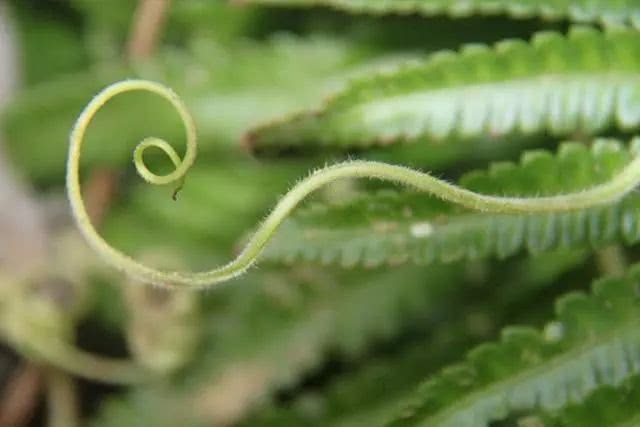
The tip of the pumpkin vine usually grows slowly forward and downward, but if on a summer morning the tips of the pumpkin vines are generally pointing upward, it foretells that the weather will turn from clear to rainy. If in rainy weather the tips of the pumpkin vines are generally pointing downward, it foretells that the weather is about to clear up.
Four o'clock flower
Also known as the rouge flower, it sometimes grows wild, and some people plant it in their courtyards; it is often cultivated across northern and southern China. The four o'clock flower usually blooms in the evening and withers by the next morning. Based on the time the flowers wither, you can judge the weather for that day. If the flowers wither immediately at first light, it foretells that the day will be sunny. If the flowers wither later, it foretells that the day will be overcast and rainy.
The "meteorologists" of the plant world are using their own language to convey nature's messages to us; though ordinary, they exist in an extraordinary way.