Is a peanut actually a nut? Explained clearly in one article
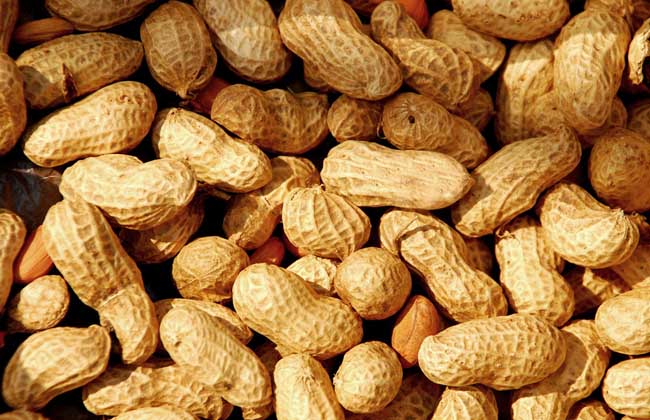
The peanut is also known as groundnut, longevity fruit, mud bean, foreign bean, earth bean, etc. It belongs to the order Rosales, family Fabaceae, and is an annual herbaceous plant with erect or creeping stems, mainly distributed in Brazil, China, Egypt and other places. It can be used as a raw material for cosmetics such as soap and hair oil. According to the size of the peanut seeds, it is divided into two major types: large peanuts and small peanuts. Let us take a look below at whether the peanut is a nut!
Is a peanut a nut?
The peanut is a nut. The peanut is a nut with abundant production and widespread consumption in our country. The fruit contains protein, fat, carbohydrates, vitamin A, vitamin B6, vitamin E, vitamin K, as well as mineral nutrients such as calcium, phosphorus and iron. It contains 8 kinds of amino acids needed by the human body and unsaturated fatty acids, and contains substances such as lecithin, choline, carotene and crude fiber. Its fat content is 44-45%, protein content is 24-36%, and sugar content is about 20%. It is rich in vitamin B2, PP, A, D, E, calcium and iron, etc., and contains multiple vitamins such as thiamine, riboflavin and nicotinic acid. It has the effect of promoting the development of human brain cells and enhancing memory.
The dietary therapeutic value of peanuts
1. Lowering cholesterol: The linoleic acid contained in peanut oil can cause cholesterol in the human body to be decomposed into bile acids and excreted from the body, avoiding cholesterol deposition in the body and reducing the incidence of various cardiovascular and cerebrovascular diseases caused by cholesterol exceeding normal values in the human body.
2. Delaying human aging: The zinc content in peanut fruits is generally higher than that in other oil crops. Zinc can promote brain development in children, has the function of enhancing brain memory, can activate brain cells in middle-aged and elderly people, delay premature aging of the human body, and resist aging.
3. Promoting bone development in children: Peanut fruits are rich in calcium, promote bone development in children, and prevent degenerative bone lesions in the elderly.
4. Preventing tumors: Resveratrol in peanut fruits and peanut oil. It is a natural chemopreventive agent for tumor diseases, can reduce platelet aggregation, and prevent and treat atherosclerosis and cardiovascular and cerebrovascular diseases.
The medicinal value of peanuts
1. Anti-aging: The catechin and lysine contained in peanut fruits have an anti-aging effect on the human body.
2. Coagulation and stopping bleeding: The peanut skin contains oil, multiple vitamins, and substances that shorten clotting time. It can resist the dissolution of fibrin, has the function of promoting the bone marrow to produce platelets, has a hemostatic effect on various bleeding diseases, has a certain therapeutic effect on the primary disease, and is beneficial to the human body's hematopoietic function.
3. Nourishing blood and promoting lactation: The fatty oil and protein in peanut fruits have the effect of nourishing qi and blood and promoting blood and lactation for women with insufficient milk after childbirth.
4. Promoting development: The calcium content in peanut fruits is extremely high. Calcium is the main component of human bones, so eating more peanuts can promote human growth and development.
5. Enhancing memory: The lecithin and cephalin in peanut fruits are important substances needed by the nervous system. They can delay the decline of brain function, inhibit platelet aggregation, and prevent the formation of cerebral thrombosis. Experiments have confirmed that regular consumption of peanuts can improve blood circulation, enhance memory, and delay aging.