When is the pecan ripening time?
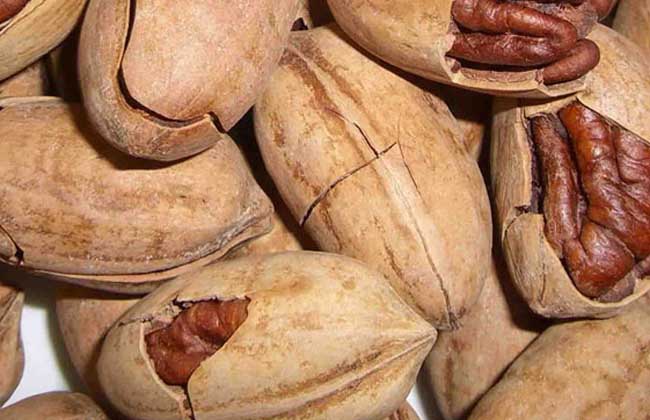
The pecan is also known as the American hickory, longevity nut, and so on. Its kernel is delicious and nutritious, and it has the best quality among hickory trees. It can be eaten raw, stir-fried, or made into candy, and the oil can also be pressed. It is a purely wild fruit type, a natural green food with no pollution or harm, and a rare and delicious dried fruit. Now let us take a look at when pecans ripen!
When do pecans ripen?
Pecans usually bloom in May and the fruit ripens from September to November. The ripening time also differs somewhat depending on the growing environment and geography. In China, they roughly ripen in late October, in the United States generally in mid-November, and in Thailand around mid-September.
Where is the origin of pecans?
The pecan is native to the North American continent, in the United States and northern Mexico. It is one of the 17 species of hickory in the world, a purely wild fruit type, a natural green food with no pollution or harm, and has now become one of the world's dried fruit tree species. In China, it is cultivated in Hebei, Henan, Jiangsu, Zhejiang, Fujian, Jiangxi, Hunan, Sichuan, and other provinces.
Pecan planting condition requirements
1. Temperature: Pecans prefer a warm and humid climate, with an average annual temperature of 15.2°C being suitable. They can tolerate a maximum temperature of 41.7°C and are relatively cold-tolerant, suffering no freeze damage even at -15°C, but low temperatures during the flowering period will affect flowering, pollination, and flower development.
2. Water: Pecans need a relatively large amount of water. Different phenological periods throughout the year have different water requirements. Generally, an appropriate amount of rain is required before flowering during the spring shoot growth period. From late April to mid-May during the flowering period, continuous overcast and rainy weather should be avoided. From June to September, which is the period of fruit and bare bud development, sufficient and even rainfall is required.
3. Light: Pecans are not very demanding about light. During the juvenile stage, they require a shady environment, and seedling cultivation must use artificial shading. Adult trees grow poorly on sunny, dry, and barren sunny slopes.
4. Soil: The soil for planting pecans is preferably a loose gravelly loam rich in humus formed from weathered limestone. The best are oil-black soil and yellow soil developed on limestone, as well as yellow soil developed on sandstone, slate, and shale. Red soil and sandy soil are not suitable for pecan growth.