How to Plant Ginkgo Seeds? Detailed Guide to Sowing Methods and Planting Techniques
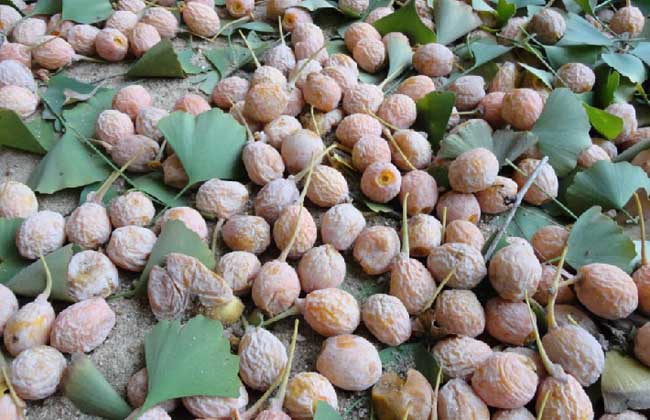
Ginkgo is the oldest relict plant among the gymnosperms left over after the Quaternary glaciation, and seed propagation is mostly used for large-scale landscaping seedlings or for making clump-style bonsai. Usually, after harvesting the seeds in autumn, the outer seed coat is removed, and the seeds with the fruit coat are dried in the sun; they can be sown in winter of the same year or in spring of the following year. Let's take a look below at how to plant ginkgo seeds!
Stratification Time
The stratification time depends on the sowing time, and the sowing time is based on the late frost period, because ginkgo sprouts are susceptible to frost damage below 0°C. Generally, stratification can begin 30 to 40 days before the sowing period. In the capital, sowing in early March is preferable.
Seedbed Preparation
Choose a plot that is sheltered from the wind, faces the sun, and has level ground. Dig a trench running east to west, 30 cm deep and 120 cm wide; the length of the trench depends on the amount of seeds. Spread a layer of fine sand about 5 cm thick at the bottom, and build a 10 cm earth ridge around the trench (the north side can be suitably higher) to prevent rainwater from flowing in.
Seed Treatment
Take out the seeds that were stored dry over winter, first put them into a jar or other water-holding container, soak them in clean fresh water for 36 to 48 hours, and separate out the shriveled grains. Then scoop them out, wash them clean, and mix them evenly with wet sand at a ratio of 1 part seeds to 3 parts wet sand, then place them on the bed for stratification. For seeds stored in cellars, they can be placed directly into the seedbed for stratification.
Placing Seeds on the Bed
Evenly spread the seeds mixed with sand on the seedbed, then place 5 cm of fine sand on top of the seeds, and then put a thin layer of fine soil or a straw mat on top to maintain the temperature inside the seedbed. Finally, cover the seedbed with a 2 m wide plastic film, and press the edges of the film down firmly with soil.
Transplanting and Planting
Seedlings propagated from ginkgo seeds can grow to 15 to 25 cm tall in the same year, and can be transplanted after leaf fall in autumn. Note, however, that the seedbed should be chosen in a well-drained area to prevent waterlogging from rotting the part of the seedlings near the ground. They can grow well in acidic soil and calcareous soil, but neutral or slightly acidic soil is most suitable. They are not tolerant of waterlogged sites and are relatively drought-tolerant, but grow poorly in overly dry places, rocky hillsides, or low-lying wet areas.