What to do when spider plant leaf tips turn yellow? Learn this trick and the leaves will be lush and green
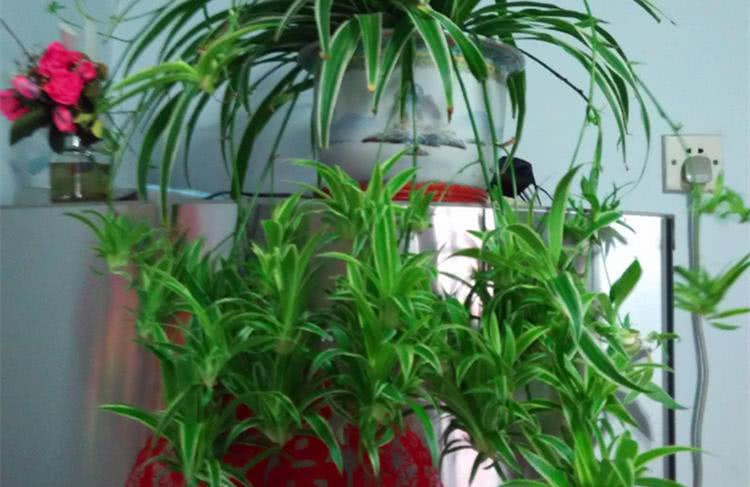
Learn this trick for spider plants, it really works! The spider plant is an indispensable variety in home gardening. Some people say it is actually a "weed." Its vitality is tenacious, and it will not die no matter how you grow it. Moreover, the spider plant has a good ability to absorb harmful gases such as formaldehyde, making it a preferred choice for home gardening.
Spider Plant Quick Card
Aliases: ribbon plant, spider ivy, St. Bernard's lily.
Origin: South Africa.
Habits: Likes warmth and humidity, not drought-tolerant, prefers partial shade, avoids cold, suitable for loose, fertile, well-drained soil.
Flowering period: Can bloom in spring, summer and winter.
Features: Evergreen all year round, the drooping leaves sway with the wind like a crane spreading its wings to leap; it can also absorb toxic gases and purify the air.
How do you care for a spider plant? Let's learn together!
Planting
For spider plants grown at home, you can use good leaf mold or organic nutrient soil that has been fully fermented at high temperature. Some people also like to use seedling substrate mixed with garden soil, sand, etc. When potting, you need to choose good soil, and the roots must all be distributed into the soil, then water once to settle the roots, and place in a cool place for 7~10 days.
Fertilizing
Within 7~10 days after just transplanting, no? fertilizing is needed, only watering. After 2 new leaves appear, normal management can begin! Apply a light fertilizer once every 7 days, using it when watering. In the early stage, you can increase nitrogen fertilizer, and in the later stage use potassium dihydrogen phosphate. During high summer temperatures, you can stop fertilizing or fertilize sparingly, and pay attention to shading. In the north, you need to increase water and humidity, which helps reduce yellowing of leaf tips.
Only if you know how to water can you grow flowers
In hot weather, besides proper shading, you also need to water frequently. Many people think watering just means watering the soil, but that is actually unscientific. Watering = watering the soil + spraying the leaves. Because watering the soil cannot increase humidity; only spraying the leaves can effectively increase humidity. Scientific watering is a good way to prevent spider plant leaf tips from turning yellow and black.
Alright, knowing the above 3 points is about enough to grow spider plants well. The key is still knowing how to water. Now let's talk about some useful tips!
What to do when spider plant leaf tips dry, scorch and turn yellow?
A: Spider plants like a partially shaded environment. If the placement location has too much or too little light, the leaves easily turn yellow-green. In addition, improper watering and fertilizing can also cause the leaves to dry up. Excessive watering or poor drainage will cause root rot and lead to scorched, dead leaf tips; insufficient fertilizer and water can also easily cause yellowing leaves and scorched tips in the plant.