How to Get Bonsai Through the Summer? A Detailed Guide to Summer Care Methods
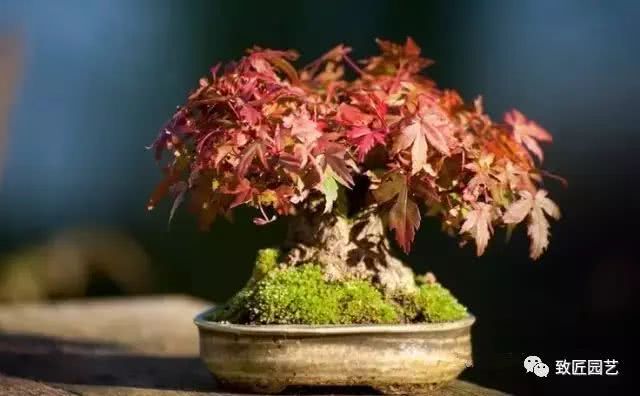
For bonsai, high summer temperatures and waterlogging are both disasters; neither drought nor waterlogging nor scorching sun nor deep shade is suitable, so protective measures must be taken.
Drought:A tree stump is planted in a pot, and whether the pot is deep or shallow, the soil is always limited, and the water it contains is limited as well. Watering whenever one happens to think of it and not watering when one does not, sometimes leaving the plant unattended for days on end, then rushing to replenish water only once the leaves are found wilted, after which the leaf surface returns to normal - this is a response of the stump to adapt to its environment. But if this goes on for a long time, the overly strong transpiration will eventually leave the stump so gravely ill it cannot recover, and it will die of dehydration.
Waterlogging:People mistakenly believe that watering frequently during high temperatures benefits the growth of the stump, not realizing that watering several times a day makes the potting soil far too wet, leaving the root system in a state of anaerobic respiration for long periods, which produces excessive alcohol accumulation. The stump's root system then loses its ability to absorb water, inorganic salts and minerals, and the plant ultimately drowns. Generally speaking, in summer or during droughts, it is best to water once in the morning and once in the evening.
Sunscald:When the ambient temperature exceeds 28°C, shade protection should be provided for the bonsai; otherwise, the amount of water the stump obtains from the soil is far less than the water it loses through transpiration. In mild cases, the leaf edges are scorched and withered; in severe cases, the stump itself is scorched and dies from the severe damage.
Sudden shading:Normally, for some tree species that prefer shade, shading measures should be taken. For example, rhododendrons (Rhododendron) and camellias (Camellia) mostly prefer shade. To avoid high-temperature damage, when the ambient temperature exceeds the maximum temperature the stump can tolerate, the bonsai should be moved to a lower-temperature area with weaker light, about 2°C lower, to benefit the growth of the stump. However, if it is suddenly moved indoors or to a lower-temperature area, within just a few days the leaves will drop off naturally and the stump will shrivel and die.
Featured Content