How to Grow Potted Pineapple: Methods and Key Techniques
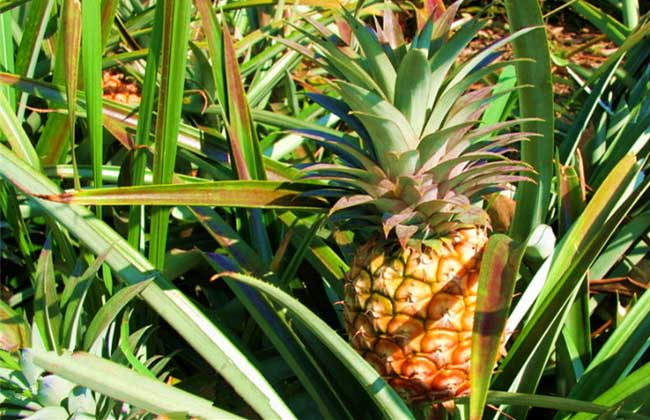
Pineapple is one of the tropical fruits, native to the Amazon River basin region of Brazil and Paraguay in South America. It was introduced to China from Brazil in the 16th century and has now spread throughout the entire tropical region. Its edible portion mainly consists of the enlarged fleshy inflorescence axis and the flowers arranged in a spiral pattern around the outside. Let's take a look at how to grow potted pineapple!
Step 1: Choose a healthy pineapple. Since pineapples have usually been stored for some time and some leaves may have wilted, if you plan to grow a pineapple in a pot, be sure to buy one with fresh-looking leaves, such as one where the white powder on the leaves is still present and the leaves are emerald green. To improve the success rate, you can buy one extra, and plant two or three together in pots.
Step 2: After choosing the pineapple, use a knife to cut off the crown (top shoot), tear off the lower bracts, and leave it in a cool place for 3 days until the cut surface is dry. Letting it sit for a few days mainly allows the plant to lose some water so it is less likely to rot.
Step 3: Take a transparent bottle and fill it about half full with water, insert the crown to encourage rooting. Root tips can usually be seen in about 7 days, then transfer it to a flower pot for planting. Potted pineapple has no special requirements for soil, and watering does not need to be too frequent; water only when the soil is dry. Rooting hormone is optional, because pineapple is an easy-to-grow plant, and a pot 30 cm in diameter is sufficient.
Step 4: After the potted pineapple is planted, make sure it gets plenty of sunlight. With good care for most of the year, it can produce a flower bud, and from flower to fruit takes about 200 days. In winter, it should be brought indoors when the outdoor temperature is around 5°C to overwinter, maintaining light exposure and frequently keeping the leaf surface moist. Once spring arrives, move it outdoors.
Extended: Pineapple's Growth Habits
1. Soil: Pineapple has wide adaptability to soil. Because its root system is shallow and aerobic, loose, well-drained sandy loam or mountain red soil rich in organic matter with a pH of 5-5.5 is better. Poor, thin, heavy, poorly drained soil and a high groundwater table are all unfavorable to pineapple growth.
2. Temperature: Pineapple originated in the hot, dry tropical regions of South America and prefers warmth. It grows best at an average annual temperature of 24-27°C, can grow within the range of 15-40°C, grows slowly below 15°C, basically stops growing below 10°C, and 5°C is the critical temperature for cold damage.
3. Water: Pineapple has strong drought tolerance. When the soil lacks water, the pineapple plant has a self-regulating function: it reduces transpiration intensity, slows respiration, and conserves water stored in the leaves to maintain life activities. When severely short of water, the leaves turn red-yellow, and timely irrigation is needed to prevent drying out. Too much rain and high soil moisture can cause root rot, leading to heart rot or wilting of the plant.
4. Light: Pineapple originally grew in the semi-shaded tropical rainforest and is relatively shade-tolerant. Due to long-term artificial cultivation and domestication, its light requirements have increased. Under sufficient light, it grows well, the fruit has high sugar content and good quality. Insufficient light leads to slow growth, high fruit acidity, and poor quality. When light is reduced by 20%, yield drops by 10%. However, when light is too strong, combined with high temperatures, the leaves turn red-yellow and the fruit is also easily sunburned.