Detailed Explanation of Key Points for Sugarcane White Leaf Disease Control Techniques
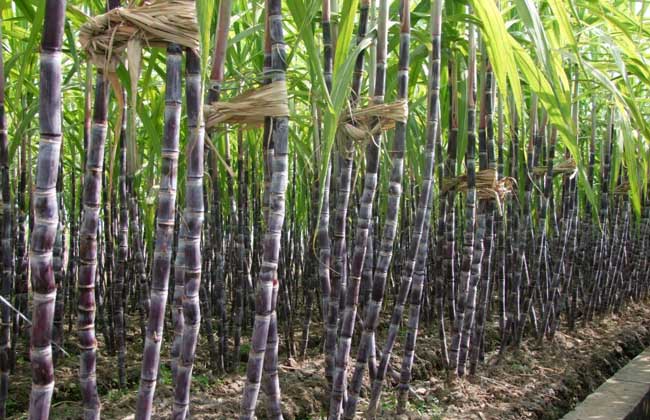
Sugarcane white leaf disease plants have single or several white, milky yellow, or light green stripes on the leaves, with stripes of varying widths; sometimes the entire leaf turns white, and the leaf texture becomes soft. The side shoots or tillers growing from diseased sugarcane plants are entirely white, and in severe cases the leaf sheaths also turn white. Sometimes green small patches appear on the white leaves, mottled and of varying sizes. Let us take a look together at the control techniques for sugarcane white leaf disease!
Damage Symptoms of Sugarcane White Leaf Disease
The damage symptoms of sugarcane white leaf disease are mainly manifested on the cane leaves, with single or several white, milky yellow, or light green stripes on the leaves, and the stripes vary in width. Sometimes the entire leaf turns white, and the leaf texture becomes soft. The side shoots or tillers growing from diseased sugarcane plants are entirely white, and in severe cases the leaf sheaths also turn white. Sometimes green small patches appear on the white leaves, mottled and of varying sizes. Diseased plants are stunted, with thin stems, shortened internodes, and the top leaves clustered together.
Conditions for the Onset of Sugarcane White Leaf Disease
The pathogen of sugarcane white leaf disease exists in the phloem sieve tubes of infected sugarcane plants. In addition to transmission through diseased seedlings, it can also be transmitted in the field by the Taiwan mottled leafhopper and leafhoppers, which is the main route of secondary infection. When diseased cane is used for seed, especially when the basal few nodes are used for seed, the seedlings that grow are almost all diseased and die about one month after germination. When leafhoppers occur in large numbers, the disease is severe. There are differences in disease resistance among varieties.
Sugarcane White Leaf Disease Control Techniques
1. Carry out quarantine, strictly prohibit the introduction of diseased cane seedlings from diseased areas, conduct regular inspections, and immediately uproot diseased plants when found.
2. Sugarcane fields with a diseased plant rate of 10% or more are not suitable for ratooning; severely diseased sugarcane fields must not be used for seedling collection, and cane seedlings from diseased areas must not be moved to disease-free areas outside the region.