Why does pomelo taste bitter? An analysis of common causes
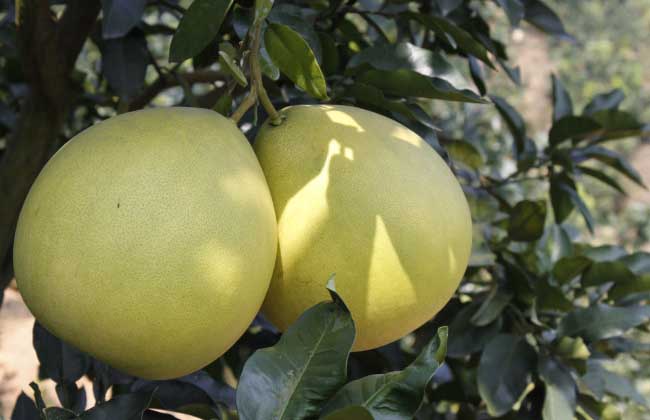
Pomelo is also known as you, wentan, xiangluan, zhuluan, neizi and so on. It is a tree of the genus Citrus in the family Rutaceae. In China, it is cultivated throughout the area south of the Yangtze River, with its northernmost limit found in the Xinyang and Nanyang areas of Henan Province, and it is also cultivated in various Southeast Asian countries. Its flesh is relatively high in vitamin C and has the effects of aiding digestion and relieving alcohol toxicity. Let us take a look below at why pomelo tastes bitter!
Can bitter pomelo be eaten?
Bitter pomelo can be eaten. Generally speaking, pomelo has a sweet or sweet-and-sour taste, but some pomelos are bitter, and many people believe that bitter pomelo cannot be eaten. Experts say that a bitter pomelo does not mean the pomelo has gone bad and cannot be eaten; the bitterness is mainly caused by the bioflavonoids in the pomelo, so bitter pomelo can still be eaten. However, for pomelos that are not very bitter, we can still eat them; if a pomelo is too bitter, then it is best not to eat it, as it not only affects the taste but may also cause some adverse reactions.
Why does pomelo taste bitter?
The outer peel and white pith of pomelo both contain a bitter component called naringin. This component is similar to flavonoids, has a bitter taste and a certain volatility, and is mainly found in higher amounts in the outer peel of the pomelo. When the outer peel is cut open, if the juice splashes onto the flesh, it will taste bitter. Moreover, pomelo comes in several types; Huyou is relatively bitter and small. If you do not like bitterness, you can buy Shatian pomelo. At the same time, pomelo that is not ripe will also be very bitter.
The nutritional value of pomelo
1. Pomelo is very rich in nutritional value, containing a large amount of nutrients, including protein and organic acids needed by the body, as well as various vitamins and trace elements essential to the body such as calcium, phosphorus, magnesium and sodium.
2. Pomelo contains potassium, a natural trace element essential for people with high blood pressure, and contains almost no sodium, making it the best food-therapy fruit for patients with cardiovascular and cerebrovascular diseases and kidney disease.
3. Pomelo flesh contains very rich vitamin C as well as insulin-like components, so it has effects such as lowering blood sugar, lowering blood lipids, aiding weight loss, and beautifying and nourishing the skin. Regular consumption has an auxiliary therapeutic effect on diseases such as diabetes and arteriosclerosis, and has the function of strengthening the body and beautifying the skin for obese people.
4. Pomelo contains a large amount of vitamin P, which can strengthen the skin's pores and also quickly restore skin tissue, and the calories it contains are very low, so it is very suitable for friends who want to lose weight and beautify their skin.
5. The pectin in pomelo can not only lower low-density lipoprotein levels, but also reduce the degree of damage to arterial walls.
6. Pomelo has the effect of strengthening the physique and can help the body more easily absorb calcium and iron. The natural folic acid it contains has the effect of preventing the occurrence of anemia symptoms and promoting fetal development in pregnant women.
7. Fresh pomelo flesh contains chromium, a component whose effect is similar to insulin, and can lower blood sugar.
8. Pomelo contains a certain amount of naringin. Naringin is an active substance that can not only lower blood viscosity but also reduce the formation of blood clots in the body. Therefore, eating pomelo can not only help wounds heal quickly, but also prevent septicemia and cerebral thrombosis, making it especially suitable for middle-aged and elderly people.
9. Pomelo is rich in natural citric acid and various inorganic salts, which not only help the functions of the liver, stomach and lungs, but also have the effects of clearing heat and reducing internal heat, and relieving cough and resolving phlegm.
10. Pomelo itself is rich in nutrition, and its calcium and vitamin content far exceed those of other fruits. Its vitamin C content is 3 times that of lemon and orange, and its calcium content is 10 times more than that of fruits such as apple, pear and banana, helping to prevent the occurrence of intestinal cancer and stomach cancer.