Are black tomatoes genetically modified? Let's find out the truth
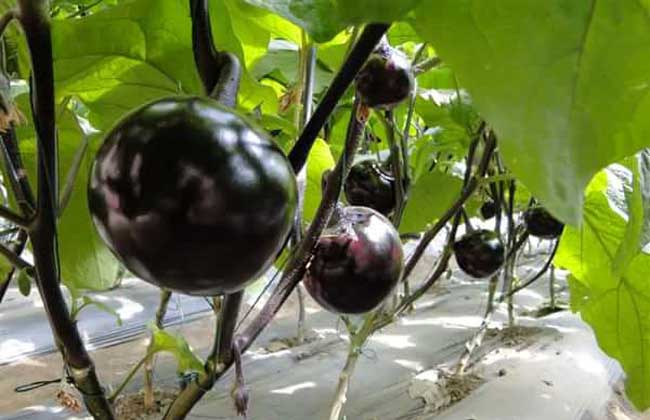
Black tomatoes are excellent first-generation hybrid seeds of the indeterminate type introduced from abroad. They have advantages such as good taste, excellent coloring, high sugar content, good harvest uniformity, and strong disease resistance. Their nutritional value is also higher than that of ordinary tomatoes, and their market price is more expensive. However, many people worry that black tomatoes are genetically modified. Let's take a look below and see whether black tomatoes are actually genetically modified!
Are black tomatoes genetically modified?
Black tomatoes are not genetically modified. Black tomatoes originate from South America and are a treasure of the tomato family, named for their fruit color and flesh, which are both red-black. Their fruit is used both as food and medicine, with a rich fruity aroma, a sweet-and-sour taste, and high nutritional value, making it especially suitable for fresh eating. They also contain a large amount of lycopene and rich vitamin C and antioxidants, and have effects for women such as nourishing yin and protecting the kidneys, whitening the skin, and aiding weight loss and slimming.
Differences between black tomatoes and tomatoes
1. Compared with ordinary tomato seedlings, black tomato seedlings have darker leaf color, which may be the expression of their genetic characteristics in the seedlings.
2. Black tomato varieties have stronger cold resistance than ordinary tomatoes, which may be related to the cooler climate of their place of origin. This is especially obvious in the Russian series, which is more suitable for development in low-temperature and cold regions.
3. The appearance and flesh of black tomatoes are both red-black, with dark brown black, light brown black, and red-black, among others. This is mainly related to the accumulation of a large amount of melanin in the fruit, and this is also the key reason why their medicinal effects are higher than those of ordinary tomatoes.
4. Black tomatoes have thinner skin and softer flesh, are more palatable, and are more suitable for consumption by the elderly and patients.
5. The nutritional value and health benefits of black tomatoes are internationally recognized. They have the effects of nourishing yin and strengthening yang and preventing body aging, which is related to their relatively high content of antioxidants.
6. In black tomato cultivation techniques, flat-frame pruning is more conducive to sugar accumulation. This is the current development trend in cultivating fruit-type functional fruits. The fruit is more aromatic and richer than ordinary tomatoes and can be cultivated as a fruit tomato variety.
7. Black tomatoes have higher economic value. At present, imported black tomatoes have also appeared in the large city of Shanghai in our country, but supermarket prices are extremely high, 36 to 45 yuan per jin, rising into the ranks of high-end fruits.
Methods for identifying genetically modified vegetables
1. Size: They lack the uneven shapes of traditional vegetables and generally have uniform size, large and elongated forms, bright color, and fresh and tender texture. For example, soybeans should look like the kidney organ of an animal, somewhat flat, with a waist line. But current soybeans are all round, like peas, and have very high yields.
2. Taste: They lack the original, authentic taste of traditional vegetables. Whether it is the smell or the flavor before or after cooking, there is a clear difference from traditional vegetables. Traditional corn is generally yellow corn or white corn, slightly sweet, while the currently popular sweet corn has a very high sweetness, as if honey had been added. Sweet corn kernels have less waxy surface, a tender texture, and some are even glutinous.
3. Yield: Genetically modified vegetables generally have a much higher yield than traditional vegetables in the first few years.
4. Color: Different from traditional colors, such as colored cotton, black rice peanuts, and purple sweet potatoes.
5. Pests: Any vegetable that pests like to visit is not genetically modified. Any vegetable that pests fear, meaning there are no pests or very few pests, is definitely genetically modified.
6. Season: Non-local seasonal vegetables. A major characteristic of all kinds of vegetables is that they all have strong seasonality and regionality. Some non-local seasonal vegetables are obtained by transferring cold-tolerant or high-temperature-tolerant genes, such as off-season winter jujubes.
7. Seed saving: Genetically modified vegetables are generally very difficult to save seed from.