What are the TCM treatment methods for desquamative interstitial pneumonia?
Desquamative interstitial pneumonia (DIP) is a Western medicine disease name and is one of the types of idiopathic interstitial pneumonia. In traditional Chinese medicine (TCM), however, all interstitial pneumonias fall under "lung bi" (lung impediment). The theoretical basis is: the lung, because of obstruction by pathogenic qi, has impeded flow of qi and blood and stasis blocking the collateral vessels; as it progresses further, it enters the "lung wei" (lung atrophy) stage. Therefore, some TCM scholars also believe that both "lung wei" and "lung bi" can include interstitial pneumonia.
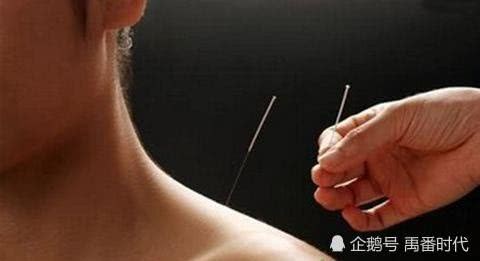
Acupuncture and moxibustion for lung wei
In TCM, "lung wei" (lung atrophy) actually includes pulmonary fibrosis, because TCM "lung wei" refers to the lung lobes becoming weak and unusable, with insufficient qi and blood and vacuous collaterals that fail to nourish, which completely matches the loss of function after pulmonary fibrosis. Desquamative interstitial pneumonia and other idiopathic interstitial pneumonias, and indeed all interstitial pneumonias, are the prelude to "lung wei." In fact, some types of interstitial pneumonia already show fibrotic changes, which supports the view held by some scholars.
Treatment based on syndrome differentiation is one of the guiding principles of TCM treatment, so TCM uses the eight principles of yin and yang, deficiency and excess, exterior and interior, and cold and heat as the standard for differentiation and treatment. Desquamative interstitial pneumonia, in Western medicine, is a chronic lung inflammation characterized by mononuclear cell infiltration of the air spaces, and the affected population is mostly smokers aged 30 to 40. The main manifestations are cough, dry cough, rapid breathing, shortness of breath, difficulty breathing, increased heart rate and other progressively worsening symptoms, along with weight loss, weakness, loss of appetite, and fever.
Chinese herbal decoction
Extensive and massive desquamation and proliferation of alveolar cells in the alveolar spaces is the pathological hallmark of desquamative interstitial pneumonia. By comprehensively analyzing the four diagnostic methods and identifying according to the eight principles, and applying Chinese herbal decoctions, auricular acupoint massage, acupuncture and moxibustion, and dozens of other TCM methods, results can be achieved that Western medicine finds difficult to attain. Moreover, with the TCM therapeutic effect of making pulmonary fibrosis reversible and controllable, there is a good therapeutic effect on the prelude to pulmonary fibrosis - desquamative interstitial pneumonia and the like.
If you have any questions or need help, please call 01062170649 13269852331