Grow your Kalanchoe this way to make it last a long time
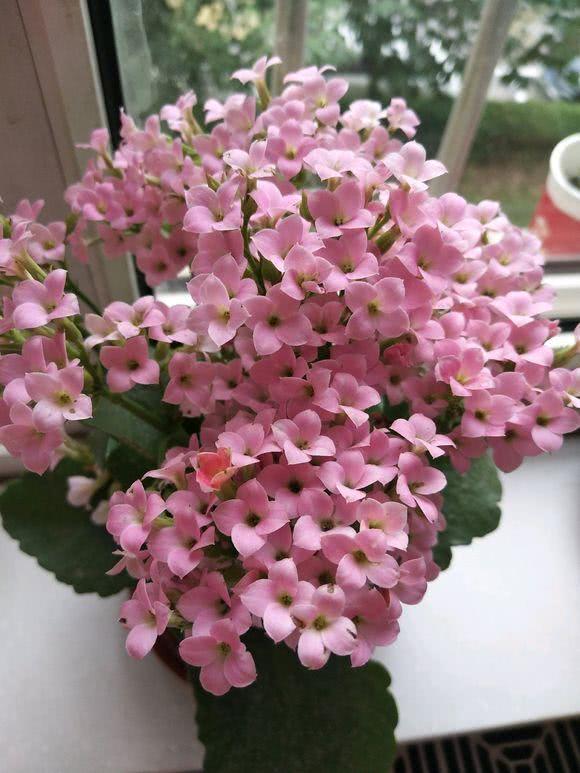
Bama has many long-lived elderly people, so it is called the "Land of Longevity." Flower lovers all know that there is a flower called Kalanchoe (longevity flower). When I first heard of it, I was quite surprised too, wondering whether it got its name because it lives for a very long time. It turned out I was mistaken. What it relies on is not longevity, but its long blooming period.
So, how can you grow a true Kalanchoe? Let me reveal the secrets for you.
First: give it "heavy feeding." Kalanchoe is very greedy for nutrients. If you want a Kalanchoe with thick, large leaves, fertilizing is absolutely necessary. If the leaves are thin and small, that is a signal that it lacks nutrients, urging you to fertilize it. Fertilize Kalanchoe in autumn, and also fertilize during the blooming period. Remember to apply thin fertilizer frequently. In this way, you do not need to worry about it having too little or too much nutrition.
Second: do not give it too much to drink. Many flower lovers always like to water flowers by "flood irrigation," always wanting the flowers to drink until they are stuffed, thinking this can help them grow quickly. Actually, that is not the case. When things reach an extreme, they reverse. Too much water can easily cause root rot, and if not handled well, it can harm the plant instead. Proper watering is the real key.
Third: give it more sunlight and let it shine. Some flower lovers prefer to put flowers in shady indoor places and are reluctant to put them outdoors, afraid they will get sunburned, like typical hothouse flowers. This can easily lead to the plant not blooming and poor leaf growth. Kalanchoe loves sunlight, so we should put it in the sun; only then can it grow strong and healthy.
Fourth: act when it is time to act. Such a beautiful flower always attracts some pests ready to make a move, and at times like this, we should act when it is time to act. For common pests such as aphids, when there are few, we can wash them off with clean water; when there are many, we can spray pesticide. For fungus gnat larvae, we can use a soil fungicide to control them. In short, catch pests promptly, and do not wait until pests and diseases run rampant before dealing with them, because then it will be troublesome.
Every life is precious, and I hope every flower lover can grow beautiful Kalanchoes and let the lives of the flowers shine brilliantly.