When Do Cherries Ripen? Understanding the Ripening Season at a Glance
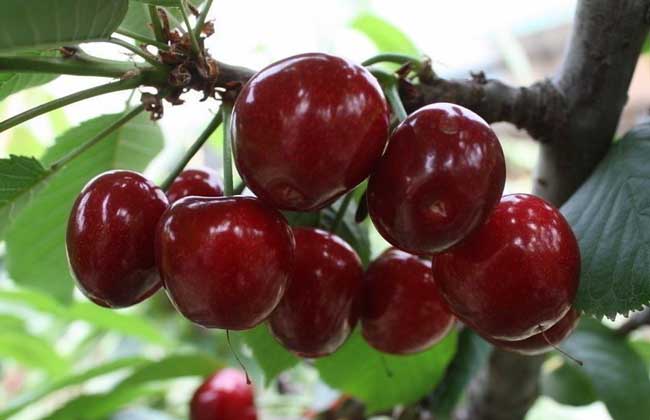
Cherries are mainly distributed in the United States, Canada, Chile, Australia, Europe and other places. In China, the main producing areas include Shandong, Anhui, Jiangsu, Zhejiang, Henan, Gansu, Shaanxi and others. The flowering period is from March to April, and the ripening time is generally from May to June.
The Ripening Time of Cherries
Northwest US cherries are one of the few truly seasonal fruits. They are produced in mid-June each year, and by mid-August, apart from a small amount of product from high mountain areas, Northwest US cherries have all completed their mission of providing people with a summer delicacy, waiting to delight your taste buds again the following year.
The Market Season of Cherries
Cherries are available all year round. After US cherries leave the market in summer, Chilean cherries have almost arrived, neatly completing the handover.
The Nutritional Value of Cherries
Cherries have a relatively high iron content, with as much as 59 mg of iron per 100 grams of cherries, ranking first among fruits. Their vitamin A content is 4-5 times more than that of grapes, apples and oranges. Their carotene content is 4 to 5 times more than that of grapes, apples and oranges. In addition, cherries also contain vitamin B, vitamin C and mineral elements such as calcium and phosphorus. Each 100 g contains 83 g water, 1.4 g protein, 0.3 g fat, 8 g sugar, 14.4 g carbohydrates, 66 kcal calories, 0.4 g crude fiber, 0.5 g ash, 18 mg calcium, 18 mg phosphorus, 5.9 mg iron, 0.15 mg carotene, 0.04 mg thiamine, 0.08 mg riboflavin, 0.4 mg nicotinic acid, 900 mg ascorbic acid, 258 mg potassium, 0.7 mg sodium and 10.6 mg magnesium.
Cherries can help relieve anemia. Iron is a raw material for synthesizing human hemoglobin, and it is of great significance for women. A survey by the World Health Organization shows that about 50% of girls, 20% of adult women and 40% of pregnant women develop iron deficiency anemia.
In addition, although cherries are good, be careful not to eat too many. This is because besides containing a lot of iron, they also contain a certain amount of cyanogenic glycosides, and eating too many can cause iron poisoning or cyanide poisoning.