What are the methods for picking and selecting bayberry (Chinese bayberry)?
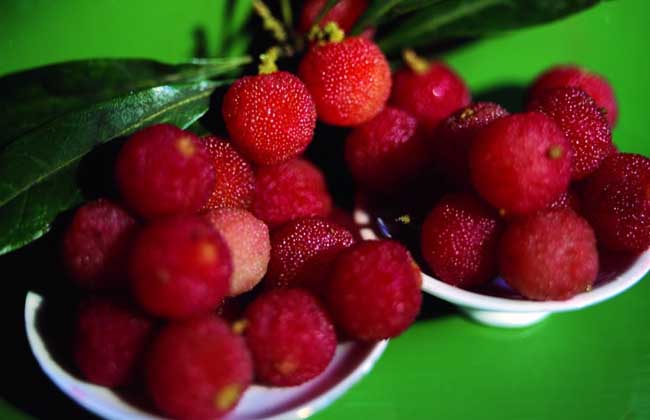
It is bayberry picking season again. Each bayberry tree is lush with branches and heavy with red fruit. Bayberries are sweet with a hint of sourness, and they have effects such as quenching thirst, promoting saliva production, and aiding digestion. I wonder if you are planning to go out and pick bayberries? If so, let me introduce the methods for picking and selecting bayberries below!
Preparation Before Picking Bayberries
1. Bayberry orchards are all on hills, so it is recommended to wear simple and light clothing, such as sports shoes and casual shoes, to make climbing easier.
2. When picking bayberries, it is best to wear dark-colored or old clothes to avoid getting juice on them, which makes cleaning difficult; long-sleeved old clothes can prevent small insects from biting and avoid being scratched by branches.
3. Before going up the hill, it is better to bring fewer snacks and more water, and also bring sun protection items (such as a sun hat, sunglasses, sunscreen, etc.).
4. Pay attention to safety when picking bayberries, and do not climb too high. If you want to pick bayberries growing at the top of the tree, it is best to ask the orchard owner for a bamboo fork or similar tool.
How to Select Bayberries?
1. Look at the color: It is best not to pick bayberries that are dark red, or too blackish-red. Green or greenish-red bayberries are not yet ripe. You should choose bayberries with dry fruit surfaces and bright red color.
2. Feel the flesh: If the bayberry flesh is too soft and mushy, it is overripe, and it is best not to pick it. If the flesh is too hard, it is not fully ripe, and it tastes sour and astringent with a poor mouthfeel. Bayberries with moderate softness and hardness are the best choice.
3. Look at the flesh: Look at the bayberry's flesh. The surface layer should have very obvious individual grains of flesh that protrude, and they should not be sunken.
4. Taste the flavor: Bayberries are juicy, fresh, tender, and sweet, with no residue left in the mouth after eating. Some lower-quality bayberries from other places are relatively dry and astringent, with little juice when eaten, and leave residue after eating.
5. Smell the fragrance: Fresh bayberries have a fragrant smell. If they have a sour odor, it means the bayberries have fermented and passed their best eating period, which affects the taste.
What should you do if bayberry juice stains your clothes?
If bayberry juice stains your clothes, there is a folk saying: after the bayberry season passes, the color will naturally fade. Perhaps this pigment has a certain effective period.
If you really cannot wait, you can also try this, which may be effective: soak the clothes, first wash them with soap, do not wring them dry, then apply a large amount of floral water to the area of the clothes with bayberry juice, making sure this area is fully covered with floral water. Then put it in the water used to wash the clothes just now and leave it for more than half an hour. The bayberry juice will fade somewhat.
Special note: After picking bayberries and bringing them home, they need to be washed clean with clear water, then soaked in salt water for 5—10 minutes to soak out the white worms inside the bayberries, and eaten after handling. After bringing them home, they should not be put directly in the refrigerator. If the worms inside freeze to death, they cannot be soaked out with salt water no matter what.