Where are pine nuts mainly produced? An overview of the main producing regions
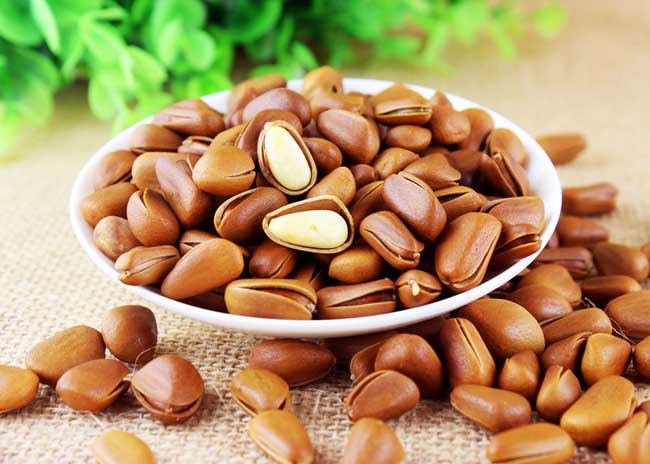
Pine nuts are the seeds of pine trees, also known as sea pine nuts. Pine nuts contain fat, protein, carbohydrates and more. Pine nuts are not only an important traditional Chinese medicine; eaten over time they strengthen the body and mind, moisturize the skin, and prolong life, and they also have high dietary therapeutic value. Pine nuts are so well loved, yet many people do not know where pine nuts come from, and when asked about the origin of pine nuts the answer often remains vague. Follow along with the editor below to learn where pine nuts come from.
Pine nut producing areas in China
China's pine nut producing areas are mainly distributed in the Changbai Mountain and Lesser Khingan Mountains forest regions of Northeast China. The species is a national first-class endangered species, and wild Korean pine must grow for 50 years before it begins to bear seeds, with a maturation period of about two years.
The dietary therapeutic value of pine nuts
1. Fighting disease and strengthening the body, promoting growth and development. Pine nuts are rich in unsaturated fatty acids, such as linoleic acid and linolenic acid. These lipids are components of many types of human tissue cells and are also major components of the brain marrow and nerve tissue. Eating more pine nuts can promote children's growth and development and recovery after illness.
2. Softening blood vessels, preventing disease and prolonging life. The unsaturated fatty acids and large amounts of minerals in pine nuts, such as calcium, iron and phosphorus, on the one hand can enhance blood vessel elasticity, maintain the normal state of capillaries, lower blood lipids and prevent cardiovascular disease; on the other hand, they can provide rich nutrients to body tissues, strengthen bones and muscles, eliminate fatigue, and are of great benefit to the health care of the elderly.
3. Moisturizing the skin and improving complexion, darkening the hair and beautifying the appearance. Pine nut kernels are rich in oils and various nutrients, have a notable effect of satisfying hunger, can moisten the five viscera, replenish qi and blood, nourish the muscles, darken the hair and whiten the skin, preserve youthful looks, and maintain a healthy figure, making them a good beauty food.
4. Moistening the intestines and relieving constipation. Pine nut kernels are rich in fatty oil (about 74%), mainly oleate and linoleate, which can moisten the intestines, relieve constipation and act as a mild laxative without harming vital qi. They have a certain dietary therapeutic effect on constipation in the elderly due to weakness and constipation in children due to fluid depletion.
5. Pine nuts are rich in phosphorus and manganese, which have nourishing effects on the brain and nerves. They are an excellent brain-boosting food for students and mental workers, and also have a good preventive effect on Alzheimer's disease.
6. Pine nuts contain large amounts of minerals such as calcium, iron, phosphorus and potassium.
7. Pine nuts have an anti-aging effect.
8. Pine nuts are rich in vitamin E, a very strong antioxidant that can inhibit lipid peroxidation inside cells and on cell membranes, protecting cells from damage by free radicals. This protects the integrity of cells and keeps many important enzymes inside cells functioning normally.