Where are the main almond-producing regions distributed?
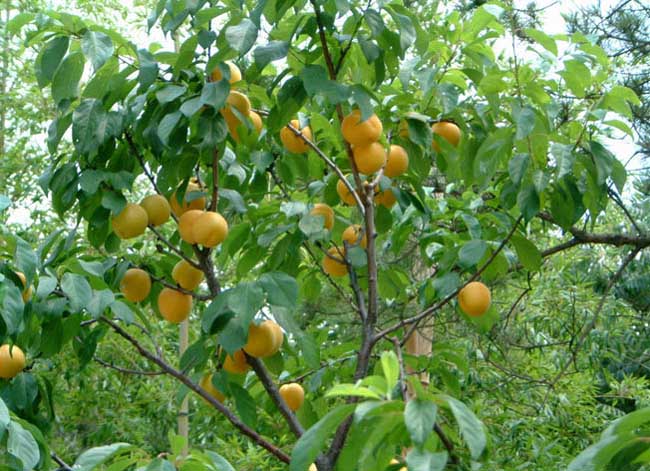
Are you familiar with almonds? Almonds are delicious, and I believe many people enjoy eating them, but do you know where almonds come from? Probably very few people know. So below, the editor will introduce the main almond-producing regions for everyone!
The almond fruit grows on short spurs and has an unripe appearance. When the fruit matures, its green outer hull splits open, revealing the kernel enclosed in a rough shell; the kernel is yellow with many small holes, and the shell is hard and woody. The almond fruit is flat and oval, round at one end and pointed at the other, covered with a thin brown skin. The kernel contains 20% protein and no starch; after grinding and pressing, the oil extracted is about half its own weight. Almond oil is pale yellow and, although it has no fragrance, has the effect of softening the skin.
Distribution of almond-producing regions
1. Global distribution of producing regions: almonds originated in Central Asia, West Asia, and the Mediterranean region, and were introduced to warm temperate regions.
2. Distribution of producing regions in China: almonds are cultivated in various parts of China except tropical regions such as Guangdong and Hainan.
Main producing regions of almonds
Almonds are mainly distributed in Hebei, Liaoning, Northeast China, North China, and Gansu and other places. The Siberian apricot grows at an altitude of 700-2000 m in dry, sunny hills and grasslands. The Manchurian apricot grows at an altitude of 400-1000 m in open, sunny shrub forests or mixed woods on slopes. Wild apricots are mainly produced in northern China, cultivated or wild, especially commonly wild in Hebei, Shanxi and other places, and also produced in Shandong, Jiangsu and other places. Apricots are distributed wild in the ** Ili area.
Side effects of almonds
Bitter almonds are warm in nature, diffuse the lungs, moisten the intestines and relieve constipation, and are only suitable for excess conditions such as wind pathogens and intestinal dryness. Those with yin deficiency or stagnant fire should not take a single herb orally for a long time. For conditions such as pulmonary tuberculosis, bronchitis, chronic enteritis, and dry cough without phlegm, taking a single herb for a long time is contraindicated.