How to Make Delicious Braised Ribbonfish? A Detailed Guide to Eight Common Methods
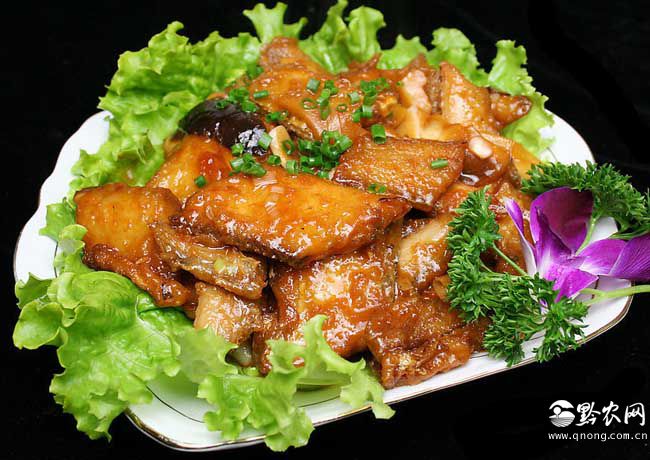
Ribbonfish has tender, plump flesh and a delicious flavor. Apart from the large central bone, the body has no small bones, making it very suitable for children and those who worry about fish bones. Ribbonfish is a sea fish with extremely high nutritional value, generally used for steaming, braising, or dry-frying. Regular consumption of ribbonfish can harmonize the stomach, stimulate appetite, warm the stomach, tonify deficiency, and moisturize the skin. It also has restorative benefits for conditions such as weakness after illness, insufficient postpartum milk supply, and bleeding from trauma.
Braised Ribbonfish Method One
[Ingredients] Ribbonfish (1 fish, 544 grams), scallion (1/2 stalk), ginger (5 slices), garlic (2 cloves), scallion (1 stalk). Marinade: salt (1/3 tablespoon), cooking wine (1 tablespoon), soy sauce (1 tablespoon), cornstarch (1/2 tablespoon).
[Sauce] White sugar (1/3 tablespoon), salt (1/3 tablespoon), cooking wine (1 tablespoon), cornstarch (1/2 tablespoon), soy sauce (1 tablespoon).
[Seasoning] Oil (1 bowl).
1. Pan-fry: Wash the ribbonfish and let it dry; to be safe, you can pat the water off with paper towels. Another option is to coat it in flour, so it won't splatter oil easily due to the water. Pour oil into the pan, heat it up, add the fish and fry, flipping once halfway, until both sides are golden brown, then set aside.
2. Braise: Change to fresh oil, add scallion, ginger, and garlic, sauté until fragrant, add the ribbonfish and stir-fry. Add cooking wine, soy sauce, and vinegar, cover and simmer briefly, add an appropriate amount of sugar and salt, stir-fry a few times, add water until level with the ribbonfish. Turn to high heat to reduce the sauce, then plate and serve.
[Tips] It's best to use local ribbonfish, slightly smaller ones, which taste better. Frying is very important; coat with a little flour, made into a thin batter, and it will be very crispy.
Braised Ribbonfish Method Two
[Ingredients] Ribbonfish, salt, cooking wine, soy sauce, cornstarch, ginger, scallion, garlic, egg.
1. Cut the ribbonfish into 5 cm segments, add 1/3 tablespoon salt, 1 tablespoon cooking wine, 1 tablespoon soy sauce, and 1/2 tablespoon cornstarch, mix well, and marinate for 15 minutes; slice the ginger, mince the garlic, and cut the scallion into segments.
2. Take an empty bowl, add 1/3 tablespoon salt, 1 tablespoon cooking wine, 1/3 tablespoon white sugar, 1/2 tablespoon cornstarch, 1 tablespoon soy sauce, and 1/2 cup water, mix together with the scallion segments, ginger slices, and minced garlic to make a sauce.
3. Crack the egg into a bowl, beat evenly into egg wash and set aside; remove the head and tail of the scallion, cut into segments and then into shreds.
4. Heat 1 bowl of oil in a pan, first coat the ribbonfish with a layer of egg wash, then place in the pan and fry until both sides are golden brown, remove and drain the oil.
5. Pour the remaining oil into the pan, sauté the scallion until fragrant, add the ribbonfish and the prepared sauce, bring to a boil over high heat, then reduce to low heat and simmer for 5 minutes. Once the sauce becomes thick, plate and serve.
[Tips]
1. The surface of ribbonfish has a layer of silvery-white fat that contains an anti-cancer compound which can effectively treat acute leukemia and other cancers. Do not scrub hard when cleaning.
2. Do not deep-fry ribbonfish plain; coat the ribbonfish with batter or egg wash before frying until cooked, which can prevent the loss of the silvery fat.
3. Heat control for frying ribbonfish: first fry over high heat to seal the surface of the ribbonfish, then fry slowly over low heat to cook it through.
4. When purchasing, choose ribbonfish with a broad, thick body, bright eyes, and a white body with shiny spots and a silvery-pink film; if the fish body is yellow, lusterless, has mucus, red flesh, black gills, or a broken belly, it is inferior ribbonfish and not suitable for consumption. In addition, people with sores or scabies should eat ribbonfish sparingly.
Braised Ribbonfish Method Three
[Ingredients] Ribbonfish, ginger, garlic, green and red chili peppers, scallion, rice wine, soy sauce, salt, sugar, vinegar, chicken essence.
[Method]
1. Wash the ribbonfish, trim off the bones and fins on the back, cut into segments, and marinate with salt for 10 minutes.
2. Cut the ginger, garlic, green and red chili peppers, and scallion, and set aside.
3. Pan-fry the ribbonfish on both sides until golden brown.
4. Splash in rice wine and soy sauce, add an appropriate amount of water, about 150 ml, and add ginger and garlic.
5. Since the ribbonfish was pan-fried earlier and is basically cooked, there's no need to cook it for long. After cooking for 2 to 3 minutes, add salt, sugar, vinegar, and chicken essence to season, then add the green and red peppers.
6. When the sauce begins to thicken, add the scallion segments and reduce the sauce over high heat, then serve.
Braised Ribbonfish Method Four
[Ingredients] 400 grams ribbonfish, 25 grams bamboo shoots, 1 stalk fragrant scallion, 1 small piece ginger, 6 cloves garlic.
[Seasonings] 500 grams cooking oil (50 grams actually consumed), 3 small teaspoons soy sauce, 1/2 tablespoon cooking wine, 1 small teaspoon fragrant vinegar, 1 small teaspoon refined salt, 1/2 small teaspoon monosodium glutamate.
[Method]
1. Wash the scallion, ginger, and garlic and slice them; wash the bamboo shoots and slice them; clean the ribbonfish and cut into segments.
2. Place the wok on the heat, pour in oil and heat it up, fry the fish segments until both sides are light yellow, then remove.
3. Leave a little oil in the pan, add the scallion, ginger, garlic, and bamboo shoots and stir-fry briefly, splash in cooking wine and soy sauce, add an appropriate amount of water, add the ribbonfish, vinegar, salt, and monosodium glutamate, bring to a boil, then turn to low heat and simmer slowly.
4. Once the fish is cooked through, remove it and place it on a plate, reduce the sauce over high heat, and pour the thick sauce over the fish.
[Characteristics] The fish is tender and delicate, savory and fresh, and pleasant to the taste.
[Tips] If the ribbonfish is very fresh, you can also directly blanch it in boiling water and then braise it, which will make the fish even more tender and fresh.