What are the growing conditions for the cape gooseberry? Understand it in one article
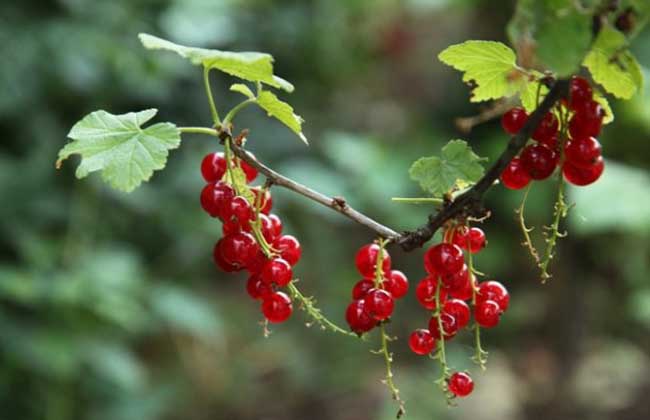
The cape gooseberry is a perennial shrub belonging to the genus Ribes in the gooseberry family. The cape gooseberry can tolerate low temperatures of minus 40 degrees and high temperatures of plus 42 degrees. Planted once, it can yield for more than 15 years. Because the plant is short and umbrella-shaped, it is suitable both for large-scale cultivation and for scattered cultivation in gardens, on balconies and on rooftops. Now let us take a look at what growing conditions the cape gooseberry needs!
Temperature conditions
The cape gooseberry likes warmth and is not tolerant of frost. Seeds germinate quickly at around 30°C; during the seedling growth period, 20-25°C and no lower than 17°C at night are suitable for growth; during the flowering and fruiting period, 20-25°C during the day and no lower than 15°C at night are appropriate, otherwise flower and fruit drop is easily caused. Below 10°C, plant growth stops. Below 0°C, the plants freeze. According to surveys, seedlings are not yet mature in their low-temperature tolerance, so open-field propagation must not be done too early, and planting can only be carried out after the late frost has passed.
Light conditions
The cape gooseberry is relatively sensitive to light requirements and needs sufficient light. Within the range of 3000-4000 lux, growth and development are coordinated and fruit quality is excellent. When light is insufficient, the plants grow leggy and weak, yield declines, berries color poorly and the taste is poor. Therefore, in production, attention must be paid to the rationality of planting density and the necessity of pinching tips, removing buds and pruning.
Moisture conditions
The cape gooseberry needs relatively more water, especially in the early stage before the berries begin to ripen, when branches, leaves and fruit grow at the same time and more water is needed; when the berries ripen in large quantities, water must be controlled. Therefore, throughout the life of the cape gooseberry, it likes water in the early stage and fears water in the later stage. In the later stage, more rain causes the plants to stay green and grow excessively, and also delays the berry ripening period and affects harvesting work. Thus, in production, attention should be paid to watering in the early growth stage and to drainage in the later stage.
Soil conditions
The cape gooseberry is not strict about soil requirements, and it can be said that it can be grown in all kinds of soil. However, sandy soil is best, giving berries a good taste and high yield and marketable rate. The cape gooseberry is relatively tolerant of salinity and alkalinity, and soil with a pH value of 6.5-7.5 is more suitable. In addition, the soil is required to have relatively good physical properties, with a deep and loose plow layer, so that the root system can easily grow deeper.
Nutritional conditions
The cape gooseberry is relatively sensitive in its response to nutritional conditions. If there is too much nitrogen fertilizer in the soil layer, or the proportion is unbalanced, it will cause phenomena such as plants staying green and ripening late, and poor fruit quality. If nutrition is insufficient, the plants are short and the berries are also small, but they color quickly, ripen early and yield is low. Therefore, in fertilization, organic fertilizer should be the main input, supplemented with chemical fertilizer. In the early growth stage, nitrogen and phosphorus fertilizers should be the main ones, while in the later stage, phosphorus and potassium fertilizers should be the main ones, so as to ensure the needs of each period.