What are the conditions for growing mangoes? A detailed explanation of environmental requirements
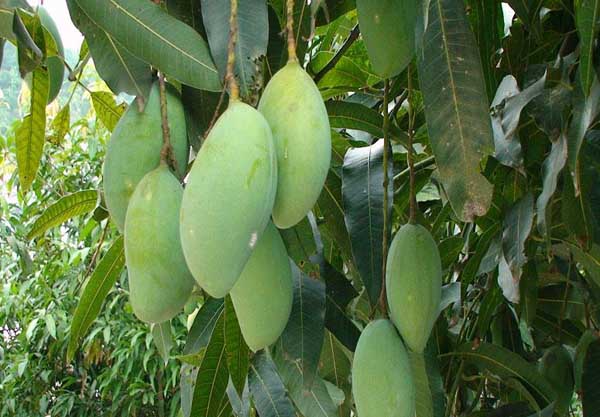
Mangoes are produced in Yunnan, Guangxi, Guangdong, Fujian, and Taiwan, China, growing on hillsides, in river valleys, or in open woodland at an altitude of 200-1350 m. They are distributed in India, Bangladesh, Indochina, and Malaysia. They have long been widely cultivated at home and abroad, and more than a hundred varieties have been bred. In China alone, as many as 40-plus varieties are currently cultivated. The growing conditions for mangoes are as follows:
Temperature conditions
Mangoes like warmth and cannot tolerate cold or frost. In the world's mango-producing regions, the annual average temperature is above 20°C, and the lowest monthly average temperature is greater than 15°C. In China, the production areas where mangoes can grow and bear fruit normally have an annual average temperature of 19.8-24.1°C, but most are areas with an annual average temperature of 21-22°C, a coldest month above 15°C, and almost no frost throughout the year.
The effective temperature for mango growth is 18-35°C, the optimum temperature for shoot growth is 24-29°C, and fruit set and young fruit growth require a daily average temperature greater than 20°C. If the temperature is insufficient, pollination and fertilization are poor, and the inflorescence may even wither and die or the embryo may abort and die. When the temperature is higher than 37°C, the florets and fruit suffer sunscald; below 10°C, new shoots and flower spikes stop growing; below 5°C, seedlings, tender shoots, and flower spikes are chilled; at around 0°C, the aboveground parts of seedlings, the flower spikes and tender shoots of adult trees, and the outer leaves are all damaged, and in severe cases they die. Below -3°C, young trees freeze to death, and large trees are severely frozen.
Light conditions
Mango is a light-loving fruit tree. Sufficient light can promote flower bud differentiation, flowering and fruit set, and improve fruit quality and appearance. Usually, individual trees on the sunny side of the canopy or in open environments flower more and have a higher fruit-setting rate; mangoes with too many branches and leaves, a closed canopy, and insufficient light flower and bear less fruit, and the fruit appearance and quality are both poor. The light conditions in the orchard and within the tree can be improved through pruning to increase yield and extend the peak production period.
Water conditions
Mangoes grow well in areas with an annual rainfall of 700-2000 mm. In South China, the uneven distribution of annual rainfall often affects growth and development. If the air is too dry during the flowering period and the early fruiting stage, it easily causes flower and fruit drop; too much rain also leads to flower rot and poor pollination and fertilization; if summer rainfall is too concentrated, it often induces serious fruit diseases; and autumn drought after harvest mostly affects the sprouting and growth of the autumn shoot mother branches.
Soil conditions
For the soil requirements of mangoes, it is advisable to choose loam or sandy loam with deep soil layers, a low groundwater table, rich organic matter, good drainage, and a pH value of 5.5-7.5.