Where is the passion fruit produced? A complete overview of the main production regions
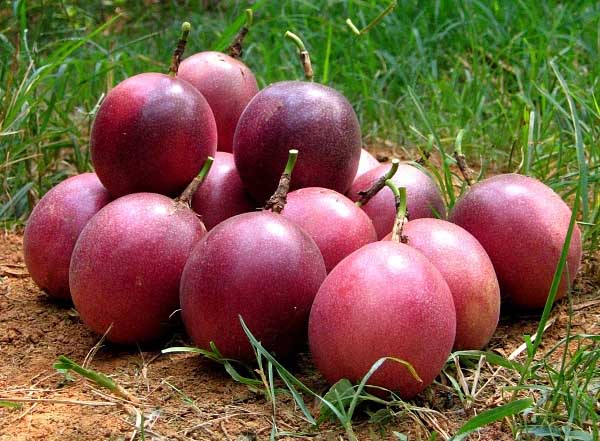
Passion fruit is native to the Lesser Antilles and is now widely cultivated in tropical and subtropical regions. The fruit can be eaten raw or used as a vegetable or feed. Used as medicine, it has stimulating and tonic effects. The pulp is juicy; when calcium bicarbonate and sugar are added, it can be made into an aromatic and tasty beverage. The seeds can be pressed for oil, which can be used for food and for making soap, paint and so on. The flowers are large and beautiful, without fragrance, and can be used as ornamental garden plants.
Passion fruit mainly falls into two major categories: purple fruit and yellow fruit. The plant's lifespan is about 20 years, and its economic lifespan is generally 8 to 10 years. The fruit is mainly used to process juice drinks and has the reputation of the "king of juices"; it can also be added to other drinks to improve their quality.
The root of passion fruit is a fleshy root, and the stem is climbing, mostly green, with a hollow pith, smooth internodes and tendrils. The leaves are palmate with three lobes, serrated, smooth, dark green, with prominent veins, and evergreen. The flowers are large and beautiful. The fruit is a berry, and the rind is leathery, tough and smooth. The pulp is filled with yellow juice, resembling a raw egg yolk. The juice content is about 40%, and the juice extraction rate during processing is 28% to 33%.
Passion fruit prefers a warm and humid environment. In areas with an annual average temperature above 18°C and annual rainfall of 1000 to 2000 mm, it grows vigorously and is likely to achieve high yields. In passion fruit cultivation, trellises must be set up to obtain high yields. The yield is generally about 1 ton per mu, and the fruiting period is from August to December.