How to grow strawberries in pots? A detailed guide to home cultivation methods
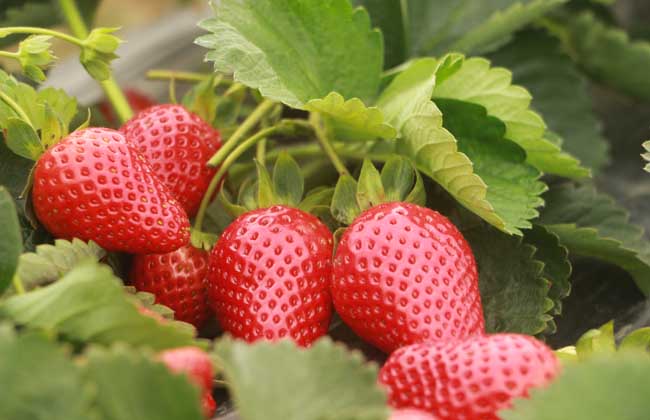
Strawberries need to be grown in a sunny, warm environment. In addition, the soil must have good drainage. If you want to plant them in the ground, be careful not to use land where potatoes have been grown before, because strawberries are easily infected by a bacterium that affects potatoes. When strawberries bear fruit, the fruit needs to be separated from the soil, so growing strawberries in flower pots is a relatively good choice. You can choose a multi-purpose flower pot and spread a layer of stones on the surface of the soil in the pot, so that when watering, it is not easy for mud to splash onto the strawberries. If planting in the ground, you can use some dry grass, or a mat, to protect the strawberries.
Choosing the pot, soil and varieties
For pot cultivation, it is best to choose a ceramic pot with a diameter of 20-30 cm at the rim. For the potting soil, choose soil with a relatively high humus content. As for varieties, excellent everbearing strawberry varieties such as European Four Seasons Red, Changhong No. 2, and 83-38 are good choices for pot cultivation. They can bloom and bear fruit multiple times throughout the year.
Cultivation techniques
Pot cultivation can be done in any of the four seasons. However, when lifting seedlings from the garden and potting them up, it is best to do so in autumn. Choose robust seedlings; when lifting them, keep more soil around the roots, remove old and damaged leaves, and trim the seedling roots to leave about 10 cm. Let the root system spread out and plant it into the potting soil. The planting depth should follow the principle of not exposing the roots and not burying the crown. Firm the soil to fix the seedling in place, keeping the soil surface 3-4 cm below the rim of the pot. After planting, water thoroughly, place in a shady spot for 3-5 days, then move it to a place with plenty of light.
Fertilizer and water management
Everbearing strawberries bloom and bear fruit multiple times a year, consume a lot of nutrients, and need enhanced nutrient supplementation. You can use animal hooves, fish bones, poultry viscera, soybean cake, etc., add water and let them decompose and ferment, then make them into liquid fertilizer water, or apply compound fertilizer as a top dressing. Generally, apply top dressing once a week. For outdoor pot cultivation, water once in the morning and once in the evening each day. When watering, the water should first be warmed in the sun before use; never water directly with well water or tap water.
Seedling management
For potted strawberries, plant management should be strengthened. First, timely thin buds, remove leaves, and remove runners. That is, appropriately thin out ineffective high-level flowers during the bud dispersal stage. Remove old leaves, damaged leaves, diseased leaves and excess runners to reduce nutrient consumption and improve fruit quality. Second, shape the fruit with supports. That is, use wire or bamboo skewers to make fruit supports of different shapes, place them in the flower pot to prop up the fruit clusters, promote ventilation and light penetration for the fruit clusters, ensure even fruit coloration, prevent soil from contaminating the fruit, and reduce pest and disease damage. At the same time, runners can also be used for artistic shaping to increase ornamental value. Third, corresponding integrated control measures should be adopted to prevent and control pests and diseases.
Repotting
After potted strawberries have borne fruit for 2 years, they should be repotted or have their potting soil changed after fruiting. When repotting, first take the plant out of the pot, cut off aging roots, dead roots and the lower aging rhizomes, then plant it into new potting soil.
Temperature and humidity
Generally, potted strawberries require a temperature of 20-25°C, and in winter the room temperature should be kept above 15°C. The flower pot should be placed in a ventilated, sunny place, and the potting soil should preferably be kept moist at all times.