Key points of high-yield mangosteen cultivation techniques: grow them this way for higher yields
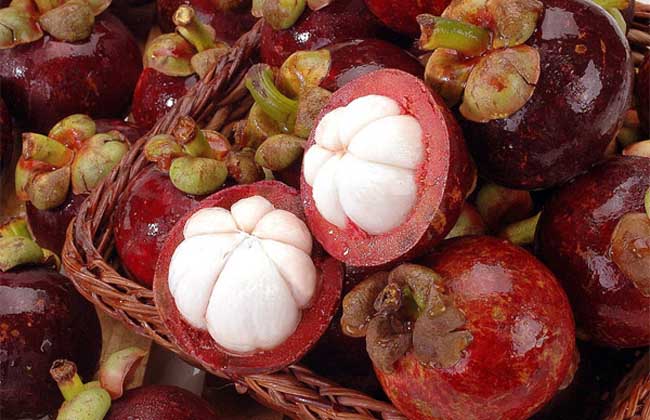
Mangosteen, also known as manggis, shanzhu, shanzhuzi, daonianzi, and fengguo. It can refer either to the mangosteen plant, a species under the genus Garcinia in the family Hypericaceae, or to the fruit of this plant. Mangosteen, originally named manggis, is native to Southeast Asia. It generally takes 10 years of cultivation before it begins to bear fruit, and it has very strict environmental requirements, so it is truly a green fruit. It is as famous as durian and is known as the “Queen of Fruits”.
Growth habits
Mangosteen seeds are parthenogenetic, so mangosteen propagation is vegetative propagation. Soil and water requirements: mangosteen has wide adaptability to soil, and mangosteen growing on trees requires good drainage conditions. Compared with clay, mangosteen prefers sandy loam rich in organic matter with a pH of 5—6.5. Mangosteen grows luxuriantly in tropical rainforests with annual rainfall of 2000—2500mm. The best growing conditions are warm, humid areas without a rainy season. For pests and diseases, yellow disease causes yellow exudate to flow from branches and trunks, and if the bark is damaged, the fruit becomes bitter. After planting, mangosteen begins to bear fruit in 7—12 years. Grafted ones bear fruit in 6 years.
Mangosteen has a lifespan of up to 70 years, but it grows slowly. It takes seven or eight years from cultivation to fruiting, and the fruit ripening period is from May to October, with higher yields from August to October. The mangosteen tree can reach 10 m in height, with oblong, thickly leathery leaves that are acuminate at the tip and entire at the margin; the flowers are about 5 cm in diameter, with 4 sepals and 4 fleshy pink petals; the fruit is spherical, 6—8 cm in diameter, with a dark purplish-red rind that is thick and tough and contains tannins, and can be used as medicine; at the fruit stalk there are 4 large, hard, inwardly curled leathery sepals, and the top of the fruit has a star-shaped pattern with 4—8 segments.
The mangosteen tree can grow to 7-25 m tall, with a round or conical crown, dark brown bark, and yellow sap in the bark. It takes at least 5-6 years to bear fruit, while most need 8-10 years. The leaves are opposite, 8-15 cm long, evergreen and thick, with a glossy leathery texture. The flowers are 2.5-5 cm in diameter, either male or bisexual; bisexual flowers are borne at the tips of young short shoots, 1 or 2 together. There are 4 sepals and 4 petals, fleshy yellow mixed with red and pale pink. A flower has many stamens and one pistil, with the stigma divided into 4-8 lobes.
After the mangosteen fruit matures, the fruit is spherical, 4-8 cm in diameter, with a smooth surface and remnants of the fleshy sepals and the stigma of the inner layer of the exocarp. The rind is very thick and extremely hard, and must be cut open with a knife. Its rind is dark purple or pink, very thick, and bitter, and is generally not eaten; the flesh is white and segmented, looking much like garlic cloves, and is edible, with a rich flavor, cool and sweet, with a soft and textured mouthfeel.
Mangosteen needs to grow in an environment above 4 °C, otherwise the plant cannot survive.
Cultivation techniques
Mangosteen seeds are parthenogenetic, so mangosteen propagation is vegetative propagation. Soil and water requirements: mangosteen has wide adaptability to soil and requires good drainage conditions. Compared with clay, mangosteen prefers sandy loam rich in organic matter with a pH of 5—6.5. Mangosteen grows luxuriantly in tropical rainforests with annual rainfall of 2000—2500mm. The best growing conditions are warm, humid areas without a rainy season.
After planting, mangosteen begins to bear fruit in 7—12 years. Grafted ones bear fruit in 6 years.
When the skin of the mangosteen begins to turn red, it indicates that it is beginning to ripen. When the skin turns from pink to black, it is the harvest season. As for yield, the yield per tree starts from 60 fruits and reaches 1800 fruits for trees over 22 years old.
For pests and diseases, yellow disease causes yellow exudate to flow from branches and trunks, and if the bark is damaged, the fruit becomes bitter.