What are the benefits of scraping bark off fruit trees in winter?
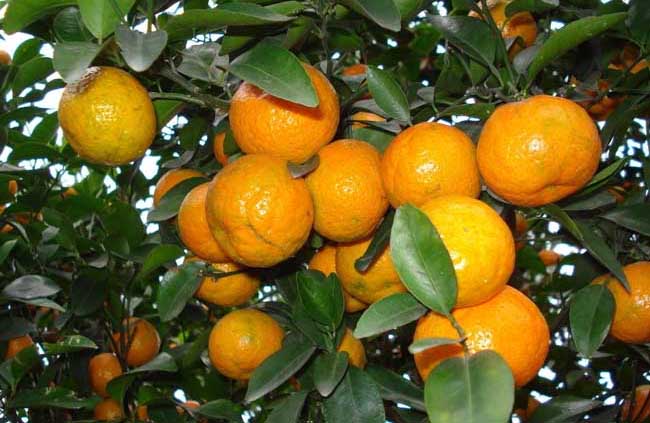
In winter, fruit trees enter their dormant period, which is the best time for scraping bark. This is an important measure in winter management of fruit trees and is greatly related to reducing the harm of diseases and pests in the coming year, promoting robust tree growth, and increasing fruit tree yields.
Select fruit trees of the appropriate age
Generally, pear, persimmon, peach, plum, apricot, and Japanese apricot trees over 15 years old, and grapevines over 8 years old, can be scraped.
Time for scraping bark
Generally from November to February of the following year, because this period is exactly the dormant period for fruit trees, diseases, and pests. Scraping bark neither affects tree growth nor allows diseases and pests to escape.
Method of scraping bark
The auxiliary branches, lateral branches, main branches, and trunk sections of fruit trees should all be scraped carefully. Generally, pear trees should be scraped deeply until the red inner bark appears, while persimmon, peach, Japanese apricot, plum, and apricot trees should only have the rough outer bark lightly scraped away, and must never be scraped until the white bark is exposed.
Disinfection after scraping
After scraping, combine this with winter orchard cleanup and destroy the debris in a centralized way. Then use 1 kg of quicklime, 2 kg of salt, 50 g of animal and vegetable oil, and 30 g of sulfur powder, mix with water, and apply the mixture to the scraped areas.