Key technical points for controlling common grapevine diseases
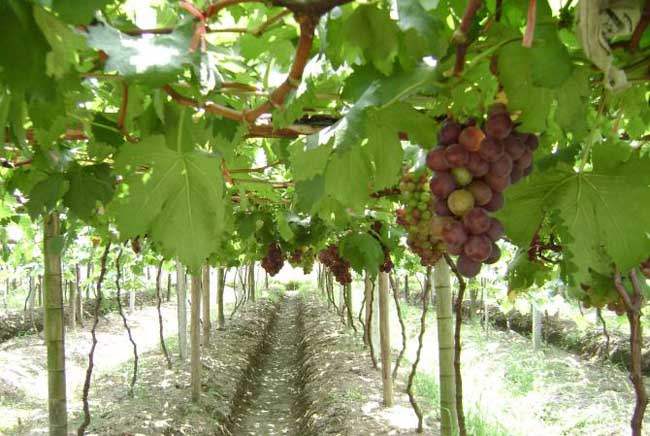
In the process of grape cultivation, the main common diseases include black rot, powdery mildew, downy mildew, mealybugs and aphids, among others. The control methods for these diseases are as follows:
Black rot
It mainly damages new shoots and new leaves, can spread via wind and rain, and requires protective spraying during the growing season. About one week before flowering, spray 1:0.5:240 Bordeaux mixture. After flowering, spray 1:1:200 Bordeaux mixture, or 50% mancozeb wettable powder at 500—600 times dilution, or 50% carbendazim at 800-1000 times dilution. Spray once every 10 to 15 days.
Downy mildew
When leaves are damaged, the leaf surface first shows small oil-soaked spots, which after enlargement become yellow-brown, angular lesions. When the environment is humid, a layer of white mold appears on the underside of the lesions. Before the disease occurs, spray 1:1:160 Bordeaux mixture; spraying 4 to 5 times in succession can control the occurrence of this disease. After the initial onset, spray 25% ridomil at 600 times dilution.
Mealybugs
They mainly damage the fruit. Spray jietongsha at 2000 to 3000 times dilution or lesiben at 1000 to 2000 times dilution for control.
Powdery mildew
The disease is contracted during rainy periods; affected fruits tend to split longitudinally, exposing the flesh, and rot very easily. Before the disease occurs, spray 1:1:200 Bordeaux mixture; after the disease occurs, spray 70% thiophanate-methyl wettable powder at 800 to 1000 times dilution or 25% triadimefon at 800 to 1000 times dilution.
Aphids
They mainly damage new shoots. For chemical control, spray 20% imidacloprid at 2000 to 3000 times dilution.