What should you do when potted flowers have been grown for several years and keep getting worse?
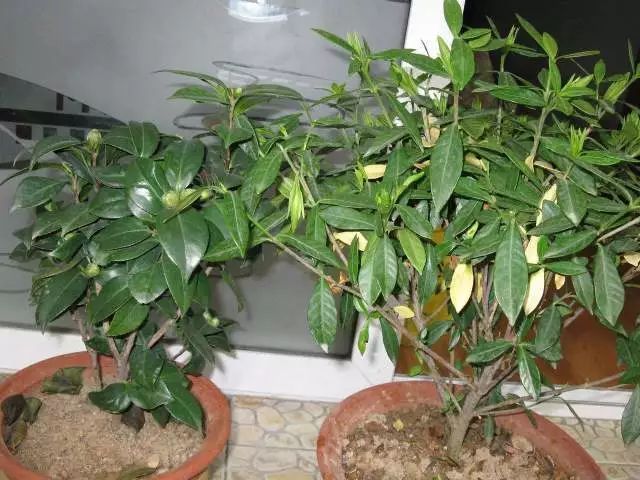
Tai friend "Lu Pang Bu Pang" asks: The potted flowers on my balcony have been grown for three years, and they have always been fine, blooming and fruiting normally. But recently their condition looks worse and worse, with yellowing leaves, thin and weak branches, sparse flowers and small fruits, and so on.
Tai Zhang, what is going on? How should I handle it?
Well, this is a common condition in balcony growing.
The principle is very simple: because potted flowers are limited by specific environmental conditions, when the potting soil can no longer maintain normal flower growth, the condition described by Tai friend "Lu Pang Bu Pang" appears, thereby reducing the ornamental value.
Tai Zhang: How to handle it? Repotting and changing the soil is the best method.
Tai friend "Lu Pang Bu Pang": Okay, I will go repot right away...
Hey, hey, hey, wait a moment, let Tai Zhang finish first. Balcony space is limited, and just using a bigger pot is not a long-term solution either... ah!
This, this, this... then just fertilize!
But before fertilizing, the type of fertilizer and the fertilizing method must be decided according to the flower variety, habits, purpose of fertilization, and the deficient elements.
Fertilizers commonly used for potted flowers fall into two major categories: organic fertilizers and inorganic fertilizers.
Organic fertilizer is made from the remains of animals and plants after rotting and fermentation
Organic fertilizer is also called complete fertilizer. It not only contains the three important elements nitrogen, phosphorus, and potassium, which flowers need in relatively large amounts for growth and development, but also contains other major elements, trace elements, and growth-stimulating substances. After a large amount of organic matter decomposes, it produces organic acids, which can dissolve poorly soluble fertilizers such as calcium phosphate.
The humus in organic matter can improve soil structure, increase the soil's ability to retain fertilizer and water and its permeability, and also has the advantages of long-lasting and mild fertilizer effect.
However, organic fertilizer has a slow fertilizer effect, its sources are relatively difficult to obtain, and processing and handling are also rather troublesome.
Organic fertilizers are usually divided into animal-based organic fertilizers and plant-based organic fertilizers.
Animal-based organic fertilizers, such as human excrement and urine, poultry and livestock manure, feathers, hooves and horns, bone meal, fish, meat, eggs, and other household waste.
Plant-based organic fertilizers, such as soybean cake and other cake fertilizers, sesame paste residue, leaves and weeds, green manure, Chinese herbal medicine residue, etc.
For the above two types of organic fertilizers, the nitrogen, phosphorus, and potassium content of animal-based fertilizers is usually higher than that of plant-based fertilizers, and their fertilizer effect also lasts longer; plant-based fertilizers are milder in nature.
Their common characteristic is that no matter the time or the application method, they must be fully fermented, decomposed, and broken down until there is no foul odor before they can be applied.
Otherwise, not only will they fail to fertilize, but they will also "burn the roots" and affect normal flower growth.
Inorganic fertilizers mainly refer to commercial chemical fertilizers
For example, urea, ammonium sulfate, superphosphate, etc. Plant ash is a natural inorganic fertilizer. Inorganic fertilizers have the characteristics of simple nutrient composition, fast fertilizer effect, not lasting, and easy leaching loss. They easily cause short-term leggy growth in potted flowers, and the dosage is not easy to control. If the concentration used on potted flowers is improper, it often leads to plant death.
The types of inorganic fertilizers are as follows:
Nitrogen fertilizers: urea, ammonium sulfate, ammonium chloride, ammonium nitrate, etc.
Phosphorus fertilizers: superphosphate, phosphate rock powder, etc.
Potassium fertilizers: potassium chloride, potassium sulfate, etc. Potassium dihydrogen phosphate is a highly effective phosphorus-potassium fertilizer.
In the process of fertilizing flowers, organic fertilizers and inorganic fertilizers each have advantages and disadvantages. We should make the best use of their strengths and avoid their weaknesses, coordinate them with each other, and use them alternately.
Well, as for the specific method of alternating fertilization, in the next article, we will continue explaining. This article ends here. If Tai friends still have any questions, check in in the comment section below.