What to Do About Root Rot in Pothos? A Detailed Guide to the Correct Treatment
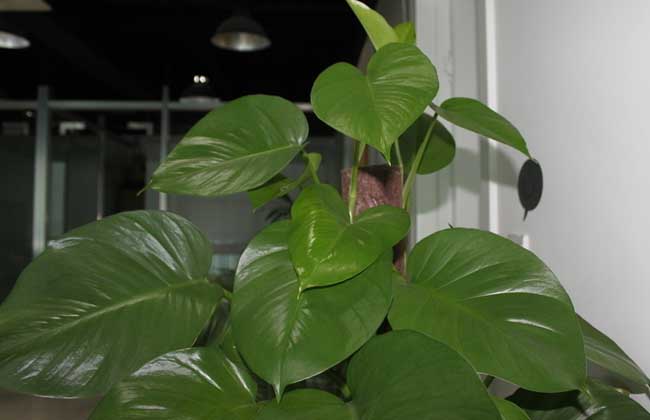
Pothos is an excellent foliage plant, also known as devil's ivy, golden pothos, and golden vine. It is a large evergreen climbing plant of the genus Epipremnum, native to tropical regions, where it often climbs over rocks and tree trunks in rainforests. It has a strong twining habit and well-developed aerial roots, and can be grown both in soil and in water. Let's take a look below at what to do about root rot in pothos!
Causes of Root Rot in Pothos
1. Temperature too low: Pothos is a heat-loving plant, with an optimal growth temperature of 15-25°C. In winter it must not drop below 10°C to survive the winter safely. When the temperature is too low, root growth is inhibited and root rot easily occurs.
2. Overwatering: Pothos likes water, but that does not mean it should be watered heavily. Watering simply provides moisture for the plant's growth. When watered too much, the soil becomes deprived of oxygen, the roots cannot get oxygen, and rot occurs.
3. Pathogen infection: When growing pothos, infection by pathogens is unavoidable. In a hot and humid environment, the plant is very susceptible to fungal attack.
4. Poor water quality: If the water used for pothos is dirty and contains a large amount of bacteria, and the plant remains in such an environment for a long time, the roots cannot get enough nutrients and root rot easily occurs.
What to Do About Root Rot in Pothos?
1. Root rot in soil-grown plants: Root rot in soil-cultured pothos is generally caused by waterlogging, and at this point what you need to do is give the pothos a new home. Prepare fresh soil with more large-particle material such as peat, cut off the rotted roots of the pothos, wash them clean, and replant. If the original plant is truly beyond saving, you can only take cuttings from the stems and leaves to replant.
2. Root rot in water-grown plants: Severe root rot in water-cultured pothos is definitely caused by the owner being too lazy to change the water. When the roots gradually turn to mush accompanied by a foul odor, a perfectly good potted plant is ruined. But it is not a big deal: take the pothos out and cut off the rotted parts. Also be sure to wash the bottle clean and disinfect it while you are at it. Then change the water and restart water culture.
How to Grow Pothos
1. Light: Pothos is not strongly phototropic. However, in the autumn and winter in the north, to compensate for the lack of temperature and photosynthesis, the light intensity should be increased. At the same time, when the temperature is low, windows should be opened as little as possible, because the leaves can be frostbitten in a very short time.
2. Humidity: Pothos grows faster in environments with higher air humidity. It is recommended to maintain indoor humidity; you can use a humidifier to increase air humidity, or cover the plant with a transparent plastic bag to create a mini-greenhouse effect, but this should not exceed two hours.
3. Temperature: Pothos is very sensitive to temperature and is easily frostbitten when the temperature is too low. A room temperature of around 20°C is fine. If heating equipment is in use, the pothos leaves should not be too close to it. Keeping the indoor temperature above 10°C is enough for it to pass the winter safely.
4. Fertilizing: Because pothos grown indoors absorbs less nutrients than it would outdoors, it is recommended to fertilize once every half month. You can buy fertilizer specially made for pothos on the market, or ask the owner of a flower shop to help you choose a fertilizer.
5. Watering: When watering pothos, do not pour the water directly into the pot. Instead, first pour the water in slowly, and after it seeps down, spray evenly and wait for the water to penetrate. In addition, you should also spray water on the areas where aerial roots grow, to reduce insufficient root water uptake caused by overly rapid evaporation.
6. Shaping: Shaping and pruning of pothos is done in spring. When the stems and vines have covered the moss pole and the tips extend about 20 cm beyond the moss pole, cut off 40 cm of the stem tips of 2-3 of the plants. After the cut stems sprout new buds and leaves, cut off the stem tips of the remaining plants.
7. Pests and diseases: Pothos plants are very susceptible to problems with pests and pathogens. Typical pests affecting pothos include mealybugs, red spider mites, and scale insects. Mealybugs are usually the most common, and can be controlled with alcohol, removed with a cotton swab, or picked off by hand.