Can Aloe Vera Be Eaten? A Full Guide to Eating Methods and Precautions
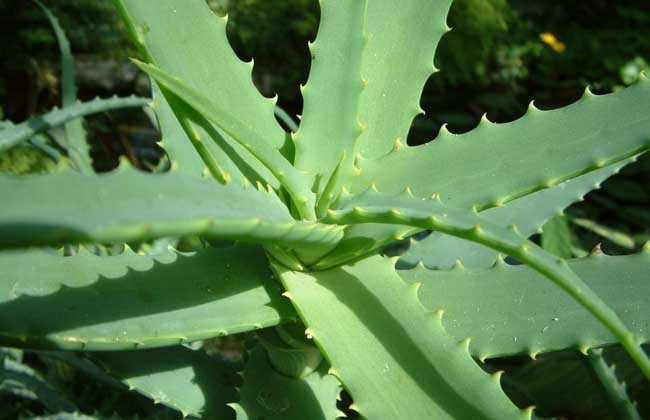
Aloe vera is a rising star among plants, combining food, medicinal, cosmetic and ornamental uses in one. Also known as Luhui, Nehui, Xiangdan and other names, it is a perennial evergreen herbaceous plant of the genus Aloe in the family Liliaceae (Asphodelaceae), with leaves growing in clusters, large and thick. In Chinese folk tradition it has been used as a natural medicine for beauty, hair care and treating skin diseases. Let's take a look below at whether aloe vera can be eaten!
Can aloe vera be eaten?
Some aloe vera can be eaten. According to research, there are more than 300 wild aloe species, but only six are edible, and they must be peeled before eating. At the same time, eating aloe vera must be done with care to avoid poisoning. Generally, eating 9-15 grams of aloe vera can cause poisoning, with symptoms mostly appearing within 8-12 hours. Common symptoms include nausea, vomiting and severe abdominal pain, diarrhea, hemorrhagic gastritis and other digestive system reactions, as well as oliguria, proteinuria and other urinary system abnormalities, and even bradycardia due to dehydration and cardiac suppression. In pregnant women it can also cause miscarriage.
Which aloe veras can be eaten?
1. Curaçao aloe: Curaçao aloe, also known as American aloe, emerald-leaf aloe and other names, can be used in medicine, cosmetics and food. Its raw juice, concentrated juice and crystallized powder can serve as raw materials for various health foods. Because it is rich in gel, it has a very notable effect on skin care and beauty, so it is also often used as a raw material for beauty cosmetics.
2. Tree aloe: Tree aloe, also known as small tree aloe, Japanese aloe, wood-sword aloe and other names, is named for its shape resembling an upright tree. Its leaves are grayish green, slender and long, with low gel content. Besides being eaten raw or made into juice, it is also suitable for making home-cooked dishes, and can also be processed into health foods or cosmetics.
3. Chinese aloe: Chinese aloe, also known as striped aloe, is a variety of Curaçao aloe. Its stem is short, and the leaves of seedlings grow in two rows, with white spots on both the upper and lower leaf surfaces that do not fade as the leaves grow. It has a very strong ability to propagate by division and strong adaptability. It has certain medicinal value, and its tender leaves can be used as a raw material for aloe salad.
4. Cape aloe: Cape aloe, also known as Cape of Good Hope aloe, has an upright stem that can reach 3-6 m in height, leaves 60-80 cm long, and can have 30-50 leaves that are large and hard, with sharp spines, dark green to blue-green, and no side branches. It can be used in medicine; the aloe recorded in many pharmacopoeias around the world is Cape aloe.
5. Saponaria aloe: Saponaria aloe has a short stem, and its green leaves reach about 50 cm long and curve slightly downward. The leaves have beautiful white striped markings with clear texture, and the leaves are broad, fleshy and thick, containing more gel. Its medicinal properties are mild, and it is often used medicinally in folk tradition, though it is not recorded in pharmacopoeias. It has relatively high ornamental value and can be used both medicinally and for beauty.
How is aloe vera best eaten?
1. Stir-fried aloe
[Ingredients] 200 grams aloe vera, 15 milliliters oil, 15 grams salt, 210 milliliters white vinegar, 5 grams white sugar, appropriate amount of toasted sesame seeds.
[Method] ① Peel the aloe vera to obtain the pure flesh, cut into small strips, quickly blanch in boiling water, and drain the water. ② Heat the oil in a wok over high heat, add the aloe strips and stir-fry for 1 minute. ③ Add salt, white sugar and white vinegar, stir well and remove from heat. After plating, sprinkle with toasted sesame seeds and it is ready.
2. Aloe lemon juice
[Ingredients] 5 cm aloe leaf, 1 spoon honey, 2/3 cup water, 1 small spoon lemon juice.
[Method] ① Wash a 5 cm piece of fresh aloe leaf, remove the spines, blend with lemon, then add 2/3 cup water and mix well, then add ice and lemon. ② Add blended aloe juice to fruit juices such as apple and orange or vegetable juices such as tomato and celery, then dilute with boiled water or hot water to make mixed aloe juice.
3. Aloe radish mash
[Ingredients] 3 cm fresh aloe leaf, 4 cm white radish.
[Method] ① Carefully wash a 3 cm piece of fresh aloe leaf, remove the spines and grate into a mash. ② Then wash the white radish and grate into a mash, lightly squeeze out the liquid and place in a container. ③ Spread the aloe mash over the radish mash, sprinkle with seaweed and soy sauce and it is ready to eat.
4. Aloe banana jam
[Ingredients] 3 cm fresh aloe, 3 fresh bananas, 2 tablespoons lemon juice, 200 grams granulated sugar.
[Method] ① Slice the bananas into a pot, add lemon juice and granulated sugar. Remove the spines from the fresh aloe and cut into 3 mm pieces, then put into the pot with the bananas and cook. ② After it comes to a boil, turn the heat down and cook for about 10 minutes more. When the ingredients become sticky and paste-like, pour hot into a container and eat after it cools.