What are the propagation methods for Aloe vera?
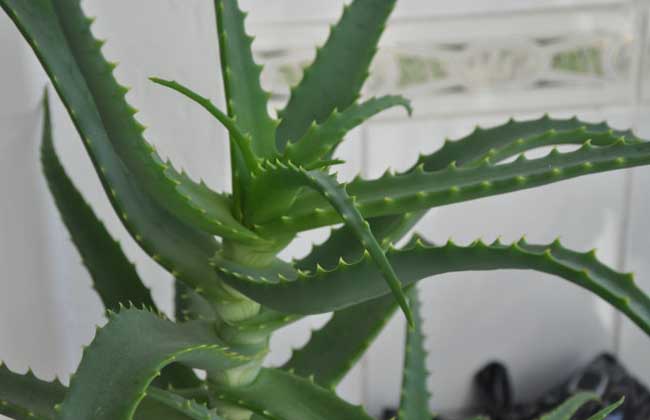
Aloe vera is a perennial herbaceous plant of the genus Aloe in the Liliaceae family, also known as Barbados aloe, emerald-leaf aloe, and Curacao aloe. It is native to the Curacao Islands and Barbados Island in the West Indies of the Americas, and has extremely high cultivation value. It can also be grown as a household potted variety. Let us take a look below at the propagation methods for Aloe vera!
Division propagation
A 2-year-old Aloe vera plant can produce 10 to 15 tillers within 1 year. When the tillers grow 4 to 5 small leaves and 3 to 5 small roots, they can be separated from the mother plant and planted directly in the field. Division propagation can be carried out throughout the entire growth period of aloe, but the temperature conditions in spring and autumn are most suitable. Small seedlings propagated by division at this time recover quickly and have a high survival rate.
Cutting propagation
After Aloe vera grows taller, it can be cut off from the top of the stem at 10 to 12 cm, or young shoots 10 to 15 cm long can be cut from the leaf axils, then hung upside down in a cool place for one week to allow the cut to contract and dry, and then inserted into a seedbed covered with a shade shed to promote rooting and survival. After the young shoots are inserted, they root in about 20 days. Keep the soil moist and apply appropriate topdressing to promote seedling growth and cultivate strong seedlings. When the cuttings have 3 to 5 roots, they can be transplanted into the field.
Leaf cutting propagation
Cut a small opening of a few millimeters from the base of an Aloe vera leaf, twist and tear it off along the center, dry the tiny wound, and then insert it into sterilized sand and mud. At a temperature above 15°C and in a semi-shaded environment, it can root in one month, and sprout at the latest in five months. This method propagates very slowly, so it is generally rarely used.