How to grow Aloe vera? A detailed guide to cultivation methods
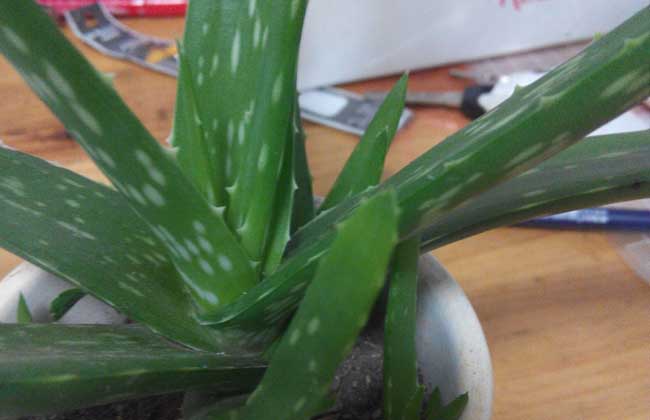
Aloe vera is also known as Barbados aloe, American green-leaf aloe, and Curacao aloe, among other names. It is a perennial herbaceous plant of the genus Aloe in the family Liliaceae, native to the Curacao islands and Barbados in the West Indies of the Americas. Its leaves cluster at the top of the stem, growing upright or nearly upright, and each leaf can weigh 0.5 to 1.5 kg. They are thick, fleshy and juicy, with extremely high edible and medicinal value. Let us take a look below at the cultivation methods for Aloe vera!
Growth habits of Aloe vera
Aloe vera prefers soil with good water and air permeability, high organic matter content, and a pH of 6.5 to 7.2. It likes light and tolerates partial shade, but dislikes direct sunlight and excessive shading. The suitable growing environment temperature is 20 to 30°C, with the optimal nighttime temperature being 14 to 17°C. Below 10°C it basically stops growing, and below 0°C the leaf flesh of the aloe freezes and all of it wilts and dies. It has a strong drought resistance; aloe removed from the soil can sit dry for several months without dying. During the growing period it needs sufficient water, but it does not tolerate waterlogging. However, the cultivation environment must not be polluted, and attention should be paid to ventilation.
Propagation methods for Aloe vera
1. Division: A 2-year-old Aloe vera plant can produce 10 to 15 tillers within 1 year. When the tillers grow to 4 to 5 small leaves and 3 to 5 small roots, they can be separated from the mother plant and planted directly in the field. Division propagation can be carried out throughout the entire growing period of the aloe, but the temperature conditions in spring and autumn are most suitable. At these times, the small seedlings propagated by division revive relatively quickly and have a high survival rate.
2. Cuttings: After Aloe vera grows taller, it can be cut off 10 to 12 cm from the top of the stem, or young shoots 10 to 15 cm long can be cut from the leaf axils. Then hang them upside down in a cool place for one week to let the cut shrink and dry, and then insert them into a seedbed covered with a shade shed to promote rooting and survival. After the young shoots are inserted, they root in about 20 days. Keep the soil moist and apply appropriate topdressing to promote seedling growth and cultivate strong seedlings.
3. Leaf cuttings: Cut a small opening of a few millimeters at the base of an Aloe vera leaf, twist it off along the center, let the tiny wound dry, and then insert it into sterilized mud and sand. At a temperature above 15°C and in a semi-shaded environment, it will root in one month, and at the latest sprout in five months. This method propagates very slowly, so it is generally rarely used.
Cultivation methods for Aloe vera
1. Soil: Aloe vera likes to grow in loose soil that drains well and does not easily compact. Soil with poor drainage and air permeability will obstruct root respiration and cause rot and necrosis, but overly sandy soil often causes the loss of water and nutrients, resulting in poor growth of the aloe.
2. Temperature: Aloe vera fears cold and grows long-term in environments without frost throughout the year. It stops growing at around 5°C, and at 0°C its life processes are impaired. If it is below 0°C, it will suffer frost damage. The most suitable temperature for growth is 15 to 35°C, with humidity of 45 to 85%.
3. Water: During the growing period, Aloe vera needs sufficient water, but it does not tolerate waterlogging. Before transplanting, both the seedbed land and the transplanting land should first be irrigated, and after the surface soil is slightly dry, the seedlings should be lifted and planted. In rainy and humid seasons or under poor drainage conditions, the leaves are very likely to shrink and the branches and roots to rot, even leading to death.
4. Sunlight: Aloe vera needs sufficient sunlight to grow. It should be noted that newly planted aloe is not yet suitable for sun exposure; it is best to let it see sunlight only in the morning, and after ten days to half a month it will slowly adapt and thrive in the sunlight.
5. Fertilizer: Aloe vera not only needs nitrogen, phosphorus and potassium, but also some trace elements. However, to ensure that the aloe is a green and natural plant, fermented organic fertilizer should be used as much as possible. Cake fertilizer, chicken manure and compost are all acceptable, and vermicompost is even more suitable for growing aloe.