If you see this wild grass, please cherish it. Ancient people called it "sworn brotherhood", and it is also a folk remedy for treating illnesses.
In the rural mountains there are many, many wild grasses. Among these wild grasses, quite a few are favorites of farmer friends, such as houttuynia cordata, dandelion, purslane, and Indian aster, etc. They can not only be eaten but also used to treat illnesses. Of course, there are also quite a few wild grasses that farmer friends do not like.These wild grasses are mostly harmful weeds in farmland and orchards, which farmer friends detest. However, apart from these common wild grasses.
Actually, in the rural mountains, there are still many useful wild grasses, it is just that people today rarely go into the mountains anymore, which has also caused these wild grasses to gradually be neglected.
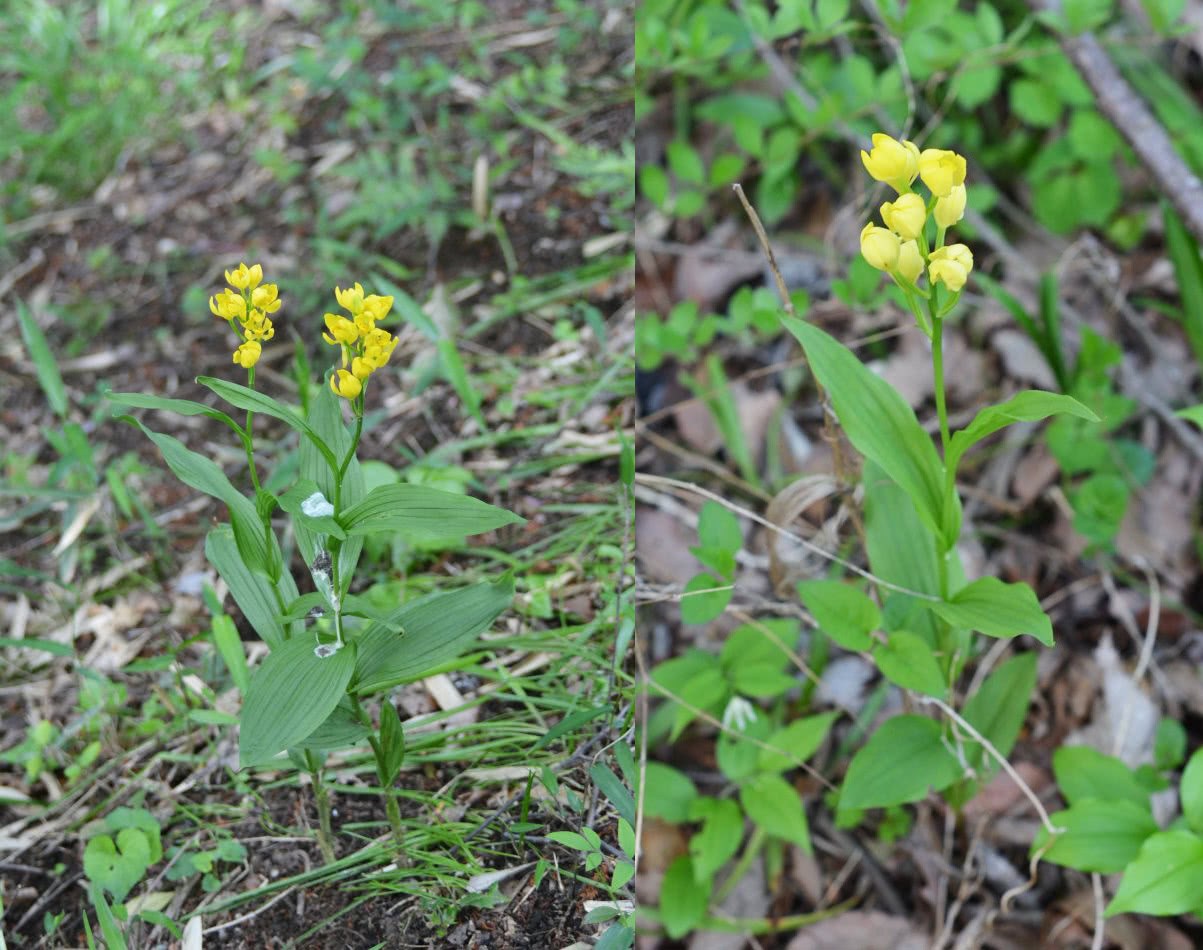
In ancient times, when several people were in perfect harmony in friendship, they would do one thing, and that was "sworn brotherhood." So, do you all know? In the rural mountains, there is a kind of wild grass, and it is called "Jinlan."
Regarding the wild grass Jinlan, there are also many stories among the people. The most famous one should be about the patriotic poet Qu Yuan, and it was from that time that this orchid, Jinlan, has continued to influence later generations.
And all orchids are also praised as symbols of beautiful things, for example, lanbu and lanzhi are graceful movements, such as the orchid finger gesture, and lanjiao is sincere friendship, such as sworn brotherhood, etc.
Jinlan is not distributed too widely in our country. It is mainly distributed in rural areas of Jiangsu, Anhui, Zhejiang, Jiangxi, Hubei, Hunan, northern Guangdong, northern Guangxi, Sichuan and Guizhou and other provinces and cities, and its growing locations are on mountain slopes under forests, in thickets, on grasslands or beside ravines at an altitude of 700 to 1600 m. Therefore, apart from many older farmer friends who often go into the mountains, many people rarely see these wild Jinlan.
Actually, besides symbolizing "beauty," Jinlan itself is also of very high value. As early as ancient times, Jinlan was a commonly used folk remedy for treating illnesses. According to the Compendium of Materia Medica, the whole plant of Jinlan can be used as medicine. Its taste is pungent and sweet, and its nature is warm. It has the effects of clearing heat and purging fire, reducing swelling and dispelling wind, and strengthening the spleen and invigorating blood. It can be used to treat many symptoms such as spleen deficiency with little appetite, sore throat, toothache, rheumatic arthralgia, sprains, fractures and so on. Especially in rural mountainous areas, older farmer friends would use Jinlan to boil water and hold it in their mouths to treat problems such as toothache.
With the progress of the times, many people are rushing to the cities and neglecting these beautiful things in nature. If there is time, everyone might as well go to the mountains to admire this kind of wild grass. The so-called "deep valley orchid" is exactly like this. However, if you see this kind of wild grass Jinlan, please cherish it, and do not pick it casually.
Dear friends, have you ever seen wild "Jinlan"? Do you know about it? You are welcome to leave comments and share your thoughts!