Gaillardia Planting Methods and Cultivation Key Points
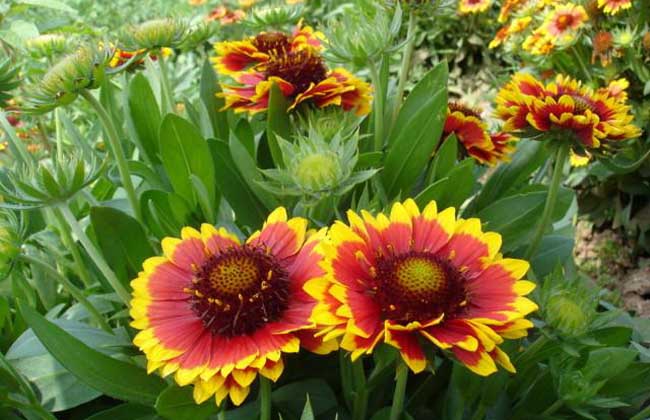
Gaillardia, also known as blanket flower and tiger-stripe chrysanthemum, is an annual herbaceous plant of the genus Gaillardia in the Asteraceae family. It is wind-resistant, moisture-tolerant, and highly resilient. It can be seen everywhere across the Penghu area, which is why Penghu is called the Chrysanthemum Island. Its colors are vibrant, its flowering period is long, and its cultivation and management are simple. It is often grown in gardens for ornamental purposes. Let us take a look at the planting methods for gaillardia below!
Gaillardia Growth Habits
Gaillardia is native to North America and is widely cultivated in the central and southern parts of the country. It is drought-tolerant and heat-tolerant, not cold-tolerant, likes sunlight, and also tolerates partial shade. It prefers loose soil with good drainage, is wind-resistant, moisture-tolerant, and highly resilient. If grown in acidic soil, it is not only difficult to obtain strong seedlings, but the lower leaves also wither in midsummer. It grows rapidly, so fertilizer should be applied early, and the proportion of phosphorus and potassium should be somewhat higher.
Gaillardia Propagation Methods
1. Sowing: Gaillardia is usually sown in summer. Soak the seeds in warm water for 3 to 10 hours until the seeds absorb water and swell. After sowing, once the seedlings emerge, promptly remove the film, and let the seedlings receive sunlight before 9:30 every morning or after 3:30 in the afternoon; otherwise, the seedlings will grow very weak. When most of the seedlings have grown 3 or more leaves, they can be transplanted into pots.
2. Cuttings: Gaillardia cutting propagation is usually combined with pinching. The thick, pest-free and disease-free top shoots that are removed are used as cuttings, directly using the top shoots for cuttings. The optimum temperature for cutting rooting is 18 to 25°C. At the same time, attention should be paid to light management. The stronger the light, the higher the temperature inside the cuttings, the more vigorous the transpiration of the cuttings, and the more water consumed, which is not conducive to the survival of the cuttings.
Gaillardia Planting Methods
1. Potting: When potting gaillardia seedlings, first place broken tiles or coarse sand grains at the bottom of the flower pot as a drainage layer, then scatter some decomposed fertilizer as base fertilizer, place a layer of prepared soil on top of the base fertilizer, and finally place the plant. After potting, water the flower pot thoroughly once and keep it in a shaded environment for a period of care.
2. Fertilizer and Water: Like other herbaceous flowers, gaillardia has a relatively high demand for fertilizer and water, but it should follow the fertilization (watering) principle of “light fertilizer applied frequently, small amounts with more applications, and complete nutrition,” and after fertilizing, keep the leaves and flowers dry at night. Summer and autumn are its peak growing seasons. After entering the flowering period, appropriately control fertilizer to facilitate seed maturation.
3. Humidity: Gaillardia likes relatively high air humidity. If the air humidity is too low, it will accelerate the withering of individual flowers. It also fears rain, and the leaves need to be kept dry at night. The optimum relative air humidity is 65 to 75%. It is heat-tolerant, not frost-tolerant, likes sufficient sunlight, and slightly tolerates partial shade.
4. Pruning: Pruning is very important for the growth of gaillardia. When the gaillardia seedlings grow to more than 6 leaves, pinch them by removing the top shoots, which can promote branching of the gaillardia plant. After that, pinch once more during the growth process, which can shape an ideal plant form and promote more flowering.