Causes of Yellowing Leaves on Hydroponic Pothos and How to Fix Them
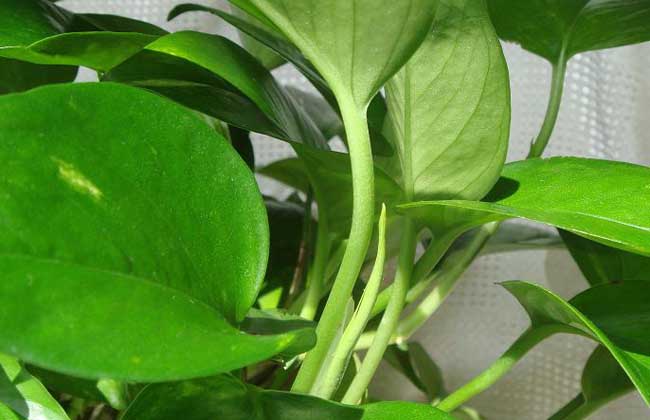
Pothos is a large evergreen climbing plant of the genus Epipremnum. It is very easy to grow and survives on contact with water. Because of its tenacious vitality, it is called the “flower of life.” However, newly purchased pothos, whether hydroponic or soil-grown, needs a period of adaptation, otherwise yellowing leaves easily appear. Let us take a look below at what to do when hydroponic pothos leaves turn yellow!
Causes of Yellowing Leaves on Hydroponic Pothos
1. Sudden environmental change: Generally, newly purchased pothos needs about 1 month to adapt to a new environment, and yellow leaves at the bottom are normal. However, be sure not to pull off yellow or dead leaves directly; cut them off from the middle of the petiole. This avoids excessive water loss and extra wounds caused by direct removal, which can cause the upper leaves to turn yellow as well.
2. Unsuitable light and temperature: Pothos prefers a hot, humid, and semi-shaded environment and is not cold-tolerant. Its overwintering temperature should not be lower than 10°C. It is sensitive to temperature, and direct sunlight should be avoided in summer; under strong light, its leaves easily wither, turn yellow, and fall off. In winter, it can grow well indoors under bright indirect light, and during the growing period it has relatively high water requirements.
3. Poor water quality: Yellowing leaves on hydroponic pothos may be caused by bacteria in the water. If it is grown in tap water, it may be due to a high bleaching powder content in the water. Pothos itself is not tolerant of low temperatures. Prolonged low temperatures combined with too much water can cause root rot, leading to an insufficient water supply from the roots. In the end, the leaves at the base begin to turn yellow, and the leaves at the top lose their luster.
What to Do When Hydroponic Pothos Leaves Turn Yellow?
1. Plenty of sunlight: Hydroponic pothos should be placed where there is plenty of indirect light, and during the growing period the leaves should be misted frequently. Spraying 0.2% monopotassium phosphate can help restore the vivid markings on the leaves. Use a relatively large growing container (with a wide water surface) whenever possible, and if conditions permit, oxygenate the water.
2. Suitable temperature: Hydroponic pothos can overwinter safely in northern China at room temperature above 10°C, and can grow normally at room temperature above 20°C. Generally, households can reach this temperature without much trouble. What needs attention is avoiding excessive temperature differences, and also making sure the leaves are not placed close to heating equipment.
3. Reasonable fertilizing: For hydroponic pothos, too much fertilizer, too high a concentration, or a lack of fertilizer can all cause the leaves to turn yellow. When too much fertilizer is applied, the leaves become thick and lack luster, and the leaves look stiff; older leaves turn yellow and fall off. This can be reduced by rinsing to lessen the fertilizer. When fertilizer is lacking, the leaf color becomes lighter, appearing pale green or yellow, and fertilizer should be supplemented in time.
4. Change the water at the right time: Change the water for hydroponic pothos once a week. If conditions permit, adding some maifan stone or small stones can effectively reduce the occurrence of yellow leaves. When changing the water, rinse the roots well and cut off diseased roots. Do not add too much water; just enough to cover the roots. When growing in water, it is recommended to wrap the pothos roots together with soil and sawdust in cloth, then place it in the water.
How to Grow Hydroponic Pothos
1. First, select good pothos stems. Healthy, strong stems with aerial roots are the best choice for hydroponics. After cutting off such stems with aerial roots and placing them in clean water, they can quickly adapt to the hydroponic environment and grow water roots in about ten days. Note that the part of the stem placed in water must not have leaves, otherwise the leaves soaking in water can easily affect water quality. In addition, you can also choose a potted plant with a good shape, wash the soil off the roots, cut off excess old roots, and place it in clean water; it will also root easily.
2. In the first few days of hydroponics, pay attention to changing the water. Change it once every two or three days with water at the same temperature as the room. After water roots grow, change the water once a week. After new leaves grow, add nutrient solution about once every ten days, and you can also spray some diluted nutrient solution water on the leaves. This can make the leaves green and glossy.
3. The root system of hydroponic pothos should be cleaned and trimmed regularly. If the roots are too long, cut them shorter in time to avoid nutrient loss. If the roots rot and become slimy, clean them in time, cut off the rotten roots, and soak them in potassium permanganate solution for disinfection before resuming care. In the first few days after resuming care, do the same as at the beginning of hydroponics: change the water once every two or three days, and after growth has fully recovered, change the water once every ten days.
4. Hydroponic pothos needs sufficient indirect light for its leaves to spread out and stay green. Usually it is best to place it where there is enough indirect light. If the environment is too dark, you can move it about every ten days to a place with enough indirect light for a few hours of light, which can also maintain the glossiness of the leaf color.
5. Pothos itself likes a warm and humid environment. In dry seasons, mist the leaves frequently to increase environmental humidity and also clean the leaves. In winter, the place where it is placed should be away from heating, and attention should be paid to preventing cold damage. Hydroponic leaves are delicate and very sensitive to temperature changes, so try to keep room temperature normal and avoid large temperature differences.
6. Like potted pothos, hydroponic pothos also needs frequent pruning. Cut off overly long and messy stems to maintain a neat and well-spaced appearance. The roots need to be cleaned at intervals. After the roots grow long, the roots need to be trimmed. If there are rotten roots, cut them off so that the pothos can absorb nutrients better.